How Do Different Paint Finishes Affect the Look of Your Walls?
Table of Contents
- Introduction
- Understanding Paint Finishes
- Common Types of Paint Finishes
- Flat and Matte
- Eggshell
- Satin
- Semi-Gloss
- Gloss
- How Light and Color Interact with Finish
- Choosing the Right Finish for Different Rooms
- Conclusion
- Frequently Asked Questions
- Book a Painting Services
Key Takeaways
- Paint finish determines wall appearance, light reflection, and cleaning ease.
- Matte and flat finishes hide imperfections but are less durable.
- Eggshell and satin offer subtle sheen and moderate washability.
- Semi-gloss and gloss provide high reflectivity and easier cleaning.
- Selecting the right finish depends on room use, lighting, and maintenance needs.
Introduction
Different paint finishes can significantly change how your walls appear and function. They influence factors such as light reflection, texture, color depth, and ease of cleaning. Homeowners, interior designers, and painters need to understand these differences to select finishes suited to specific rooms and activities. Choosing an appropriate paint finish ensures walls look consistent, are easier to maintain, and complement your interior design.
This article explores the characteristics, uses, and practical considerations of various paint finishes to support informed and reliable decision-making.
Understanding Paint Finishes
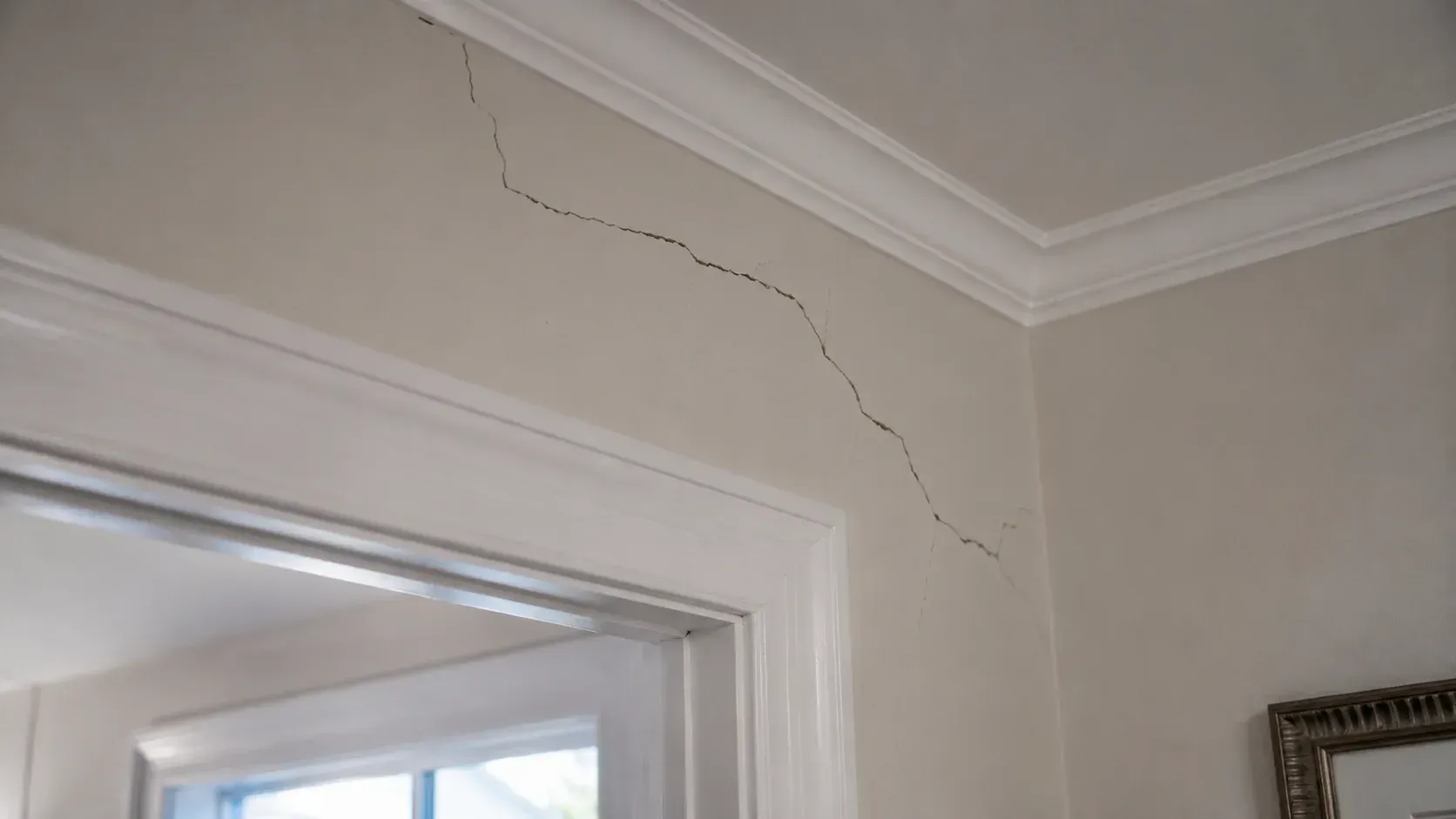
A paint finish, sometimes referred to as sheen, describes how much light a painted surface reflects. The level of reflectivity influences both the visual effect of the paint and its maintenance. Higher gloss finishes reflect more light, appear shinier, and are generally easier to clean. Lower gloss finishes absorb light, creating a softer look and better concealing wall imperfections.
Paint finish is separate from paint type. For example, latex, acrylic, or oil-based paints can each be formulated with different sheens. Understanding the finish helps determine the best match for room function, surface condition, and aesthetic goals.
Common Types of Paint Finishes
Flat and Matte
Flat and matte paints offer minimal to no sheen. Their non-reflective surface hides surface irregularities, providing a uniform appearance. They also allow color to appear rich and consistent.
Benefits:
- Hides wall imperfections effectively
- Provides deep color saturation
- Creates a smooth, soft texture
Limitations:
- Less durable for high-traffic areas
- More difficult to clean
- May require frequent touch-ups in busy spaces
Ideal Use:
- Ceilings
- Bedrooms and living rooms
- Low-traffic hallways
- Accent walls
Eggshell
Eggshell finishes have a subtle, low-luster sheen. They balance aesthetic appeal with moderate durability, making them easier to clean than matte finishes while still softening wall imperfections.
Benefits:
- Slight reflectivity adds gentle warmth
- Easier to clean than flat or matte finishes
- Conceals minor wall flaws
Limitations:
- Not as durable as satin or semi-gloss
- Scrubbing can sometimes leave marks
Ideal Use:
- Dining rooms
- Living spaces
- Low-traffic hallways
Satin
Satin finishes have a smooth, soft sheen that reflects more light than eggshell. They are more durable and easier to maintain, offering a balance between appearance and practicality.
Benefits:
- Smooth, elegant look with light reflection
- Moderate washability and durability
- Softens wall imperfections while enhancing color depth
Limitations:
- Shows scratches or uneven application more than matte
- May not fully conceal significant wall flaws
Ideal Use:
- Kitchens
- Bathrooms
- Playrooms or moderate-traffic areas
Semi-Gloss
Semi-gloss paints have noticeable sheen and higher reflectivity. They are durable and cleanable, making them suitable for areas with more frequent contact or moisture exposure.
Benefits:
- High durability and washability
- Highlights architectural details like trim or doors
- Easier to clean than satin or eggshell
Limitations:
- Shows imperfections more clearly
- Can appear shiny if overused on large surfaces
Ideal Use:
- Trim and moldings
- Kitchens and bathrooms
- Laundry rooms and utility areas
Gloss
Gloss finishes reflect the most light, creating a shiny, reflective surface. They provide maximum durability and are highly washable, but any wall imperfections become more visible.
Benefits:
- Highly durable and easy to maintain
- Accentuates decorative features
- Ideal for high-contact areas requiring frequent cleaning
Limitations:
- Not recommended for uneven walls
- Can appear overly shiny on large, flat surfaces
Ideal Use:
- Doors and cabinets
- Furniture and accent pieces
- High-use areas prone to moisture or dirt
How Light and Color Interact with Finish
The level of sheen affects how light interacts with a room. Flat or matte finishes diffuse light, softening shadows and creating a calm atmosphere. Glossy finishes reflect more light, making spaces appear brighter but potentially emphasizing surface flaws.
Color intensity also changes with finish. Matte and flat paints often appear richer and deeper, while high-gloss paints can make colors look lighter and more reflective. Considering room lighting, wall imperfections, and desired ambiance helps guide finish selection.
Choosing the Right Finish for Different Rooms
Selecting a paint finish involves balancing aesthetics, durability, and maintenance.
- Low-traffic areas: Flat or matte finishes provide uniform color and hide imperfections.
- Moderate-traffic spaces: Eggshell or satin finishes maintain subtle sheen while improving cleanability.
- High-traffic or moisture-prone areas: Semi-gloss or gloss finishes provide durability, easier cleaning, and moisture resistance.
- Decorative elements: High-gloss finishes enhance architectural details and create visual contrast.
Professional consultation can help match finishes to wall conditions, lighting, and color choices for optimal results.
Conclusion
Paint finish influences wall appearance, color perception, light reflection, and maintenance. Flat and matte finishes are best for hiding imperfections and creating a soft, calm look. Eggshell and satin offer moderate sheen and durability, while semi-gloss and gloss provide easier cleaning and higher reflectivity. Understanding these differences allows homeowners, designers, and painters to make informed choices that align with functional needs and aesthetic goals.
Book a Painting Service
For professional guidance on selecting the appropriate paint finishes for your walls, Fresh Start Painting Inc provides expert consultation and interior painting services in Pensacola, FL. Contact us at (850) 346-8319 or email freshstartpainting@att.net for informed, practical advice tailored to your space.
Frequently Asked Questions
What is the difference between paint types and paint finishes?
Paint type refers to the composition, such as latex, acrylic, or oil-based. Paint finish describes sheen and light reflectivity, affecting appearance and durability.
Can matte paint be cleaned without leaving marks?
Matte paints are more absorbent and can show marks if scrubbed aggressively. Gentle cleaning and touch-ups are recommended.
Which finish is best for bathrooms or kitchens?
Satin or semi-gloss finishes work well because they resist moisture, are easier to clean, and offer moderate durability.
Does paint finish affect color perception?
Yes. Flat and matte paints often appear deeper, while glossier paints reflect light and may appear lighter.
Are glossy finishes suitable for older walls?
Glossy paints highlight imperfections, so they may not be ideal for uneven or textured surfaces.
Related Posts