How Does Plaster Wall Coating Improve Your Walls?
Table of Contents
- Introduction
- What Is Plaster Wall Coating?
- Benefits of Plaster Wall Coating
- Durability and Structural Support
- Smooth Surface for Painting
- Crack Prevention
- Enhanced Aesthetic Appeal
- Common Types of Plaster Wall Coating
- Application Methods
- Maintenance Tips for Plaster Walls
- Risks and Considerations
- Conclusion
- Book a Plaster Wall Coating Service
- Frequently Asked Questions
Key Takeaways
- Plaster wall coating adds durability and reduces wall cracks.
- It creates a smooth, even surface ideal for plaster paint or plasterboard painting.
- Proper application ensures long-lasting performance and aesthetic appeal.
- Regular maintenance can preserve the coating’s appearance and integrity.
- Understanding risks and limitations helps make informed decisions for wall treatments.
Introduction
Plaster wall coating improves walls by adding a durable, smooth, and protective layer that supports both aesthetics and function. For homeowners, builders, and interior designers, understanding how plaster coating works can guide choices for long-lasting and visually consistent wall finishes. Plaster wall coating is relevant for residential and commercial settings, especially in Pensacola, FL, where humidity and wear can affect wall surfaces. Fresh Start Painting Inc provides expertise in interior wall finishes to help decision-makers select suitable solutions without overstated claims.
What Is Plaster Wall Coating?
Plaster wall coating is a thin layer of plaster applied over walls to create a smooth, even surface. It differs from standard drywall finishing by providing additional strength, texture control, and a better base for painting. Plaster coatings can be applied over new plasterboard or existing plaster walls. The coating consists of materials such as gypsum, lime, or cement, depending on the intended wall performance and finish.
Benefits of Plaster Wall Coating
Durability and Structural Support
Plaster wall coating adds a protective layer to walls, enhancing their resistance to everyday wear. It provides additional support, reducing minor surface damage from impacts or abrasion. Over time, walls with properly applied plaster coatings tend to maintain their structural integrity better than uncoated or minimally treated surfaces.
Smooth Surface for Painting
One of the primary advantages of plaster wall coating is the smooth finish it provides. Smooth surfaces are easier to paint with plaster paint or plasterboard painting techniques, producing a consistent and professional appearance. Even textured or aged walls can achieve a refined look when coated correctly.
Crack Prevention
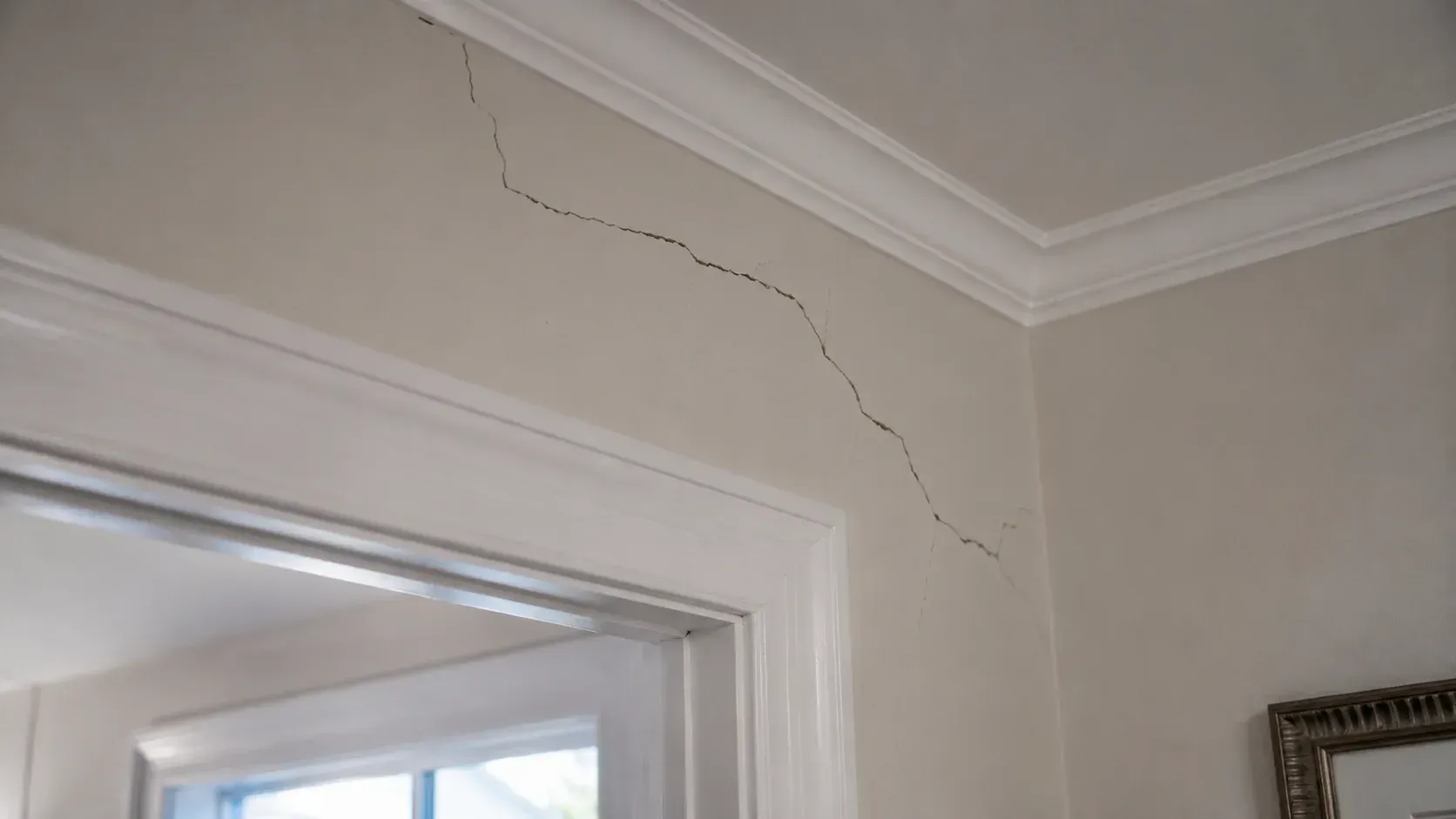
Walls can develop cracks from natural settling, humidity fluctuations, or minor structural movement. Plaster coatings help minimize crack formation by providing a flexible yet supportive layer that accommodates slight wall movements. While no coating can fully prevent all cracks, regular inspection and maintenance can limit their development.
Enhanced Aesthetic Appeal
Plaster coatings allow walls to reflect light evenly and provide a clean, uniform backdrop for interior design. They can be finished in a variety of textures, from ultra-smooth to lightly textured surfaces, supporting different visual preferences. Properly finished plaster coatings can complement various decorating styles without needing frequent touch-ups.
Common Types of Plaster Wall Coating
- Gypsum Plaster: Quick-setting, smooth finish suitable for interior walls.
- Lime Plaster: Breathable and moisture-resistant, often used in older buildings.
- Cement Plaster: Durable and resistant to wear, ideal for high-traffic areas.
- Venetian or Decorative Plaster: Offers aesthetic finishes with subtle textures and sheen.
Each type has specific performance characteristics and suitability depending on the wall substrate and environment.
Application Methods
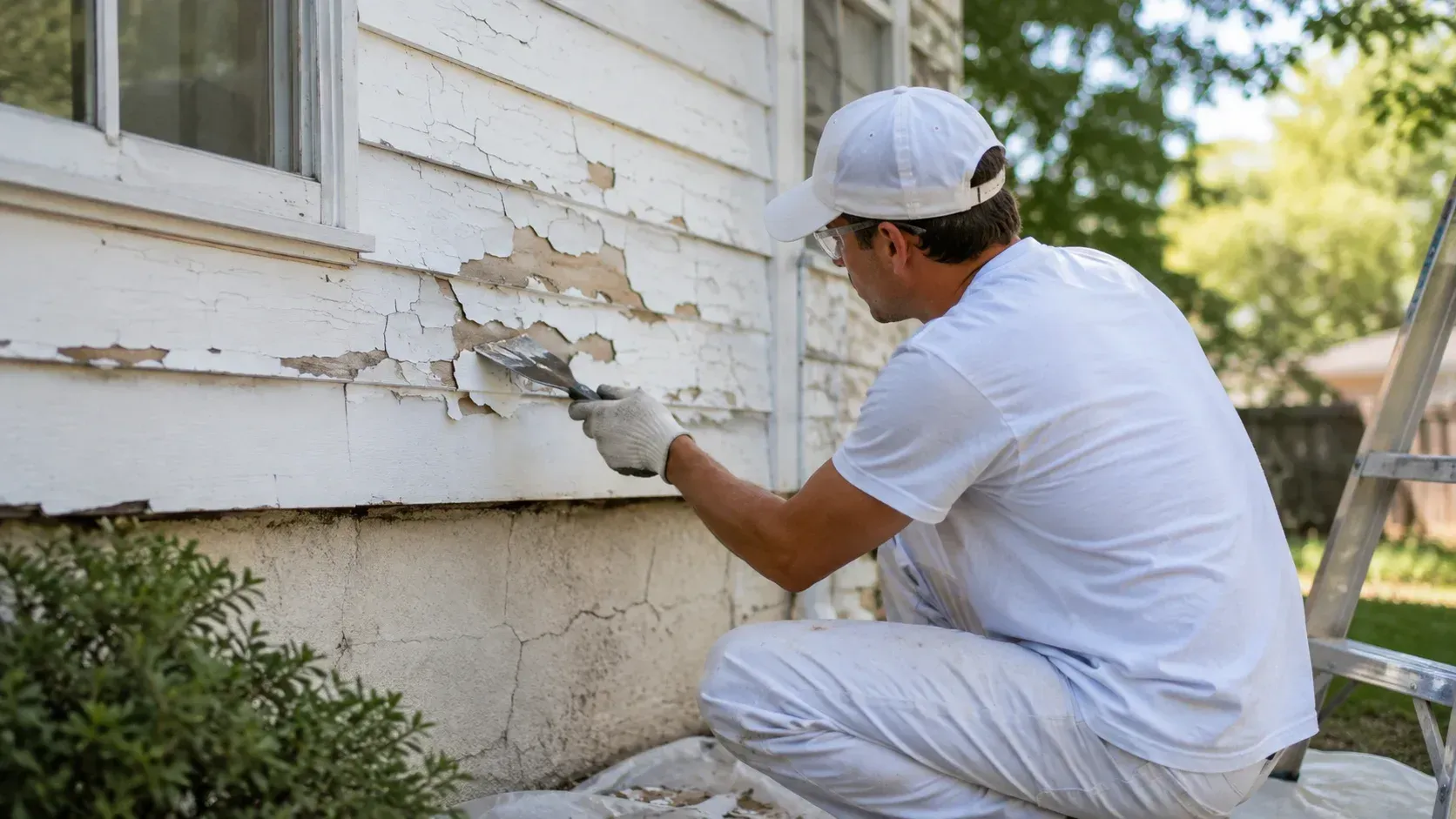
- Surface Preparation: Clean walls and remove dust, debris, or loose paint. Patch cracks and uneven areas for a level surface.
- Mixing Plaster: Follow manufacturer instructions for proper consistency. Avoid adding excess water to maintain strength.
- First Coat (Scratch Coat): Apply a thin layer to create a bonding base. Use consistent strokes for even coverage.
- Second Coat (Finish Coat): Smooth layer applied to achieve the final texture. Sand lightly if necessary.
- Drying and Curing: Allow adequate drying time before painting or applying additional finishes.
Correct application ensures uniform coverage and reduces the risk of cracks or peeling.
Maintenance Tips for Plaster Walls
- Regular Cleaning: Dust or lightly wipe walls to prevent surface buildup. Avoid excessive moisture.
- Monitor Cracks: Small hairline cracks are common. Fill minor cracks with appropriate fillers.
- Avoid Impact: Heavy objects or rough contact can damage plaster. Use protective measures where needed.
- Repainting: Use suitable primers and plaster paint to maintain appearance.
Routine care preserves both aesthetic and structural benefits of plaster wall coating.
Risks and Considerations
- Moisture Sensitivity: Certain plaster types, like gypsum, can be affected by humidity. Adequate ventilation and moisture barriers help mitigate issues.
- Application Skill: Uneven application can lead to surface imperfections. Professional guidance or training is recommended.
- Time for Curing: Plaster requires adequate drying time; rushing subsequent layers may reduce performance.
- Cracking Potential: While coatings reduce cracks, they cannot eliminate all structural stress effects.
Understanding these factors supports informed decision-making and realistic expectations.
Conclusion
Plaster wall coating enhances walls by providing durability, a smooth surface for painting, crack reduction, and aesthetic improvement. Proper selection of plaster type, careful application, and ongoing maintenance support the long-term performance of wall finishes. Homeowners, builders, and interior designers can use this knowledge to make informed choices for residential or commercial projects.
Book a Plaster Wall Coating Service
For professional guidance and application of plaster wall coating, contact Fresh Start Painting Inc. Our team provides clear information, practical advice, and ethical service to support informed decisions about your walls.
Send us an email at freshstartpainting@att.net or call us at (850) 346-8319 to schedule a consultation and learn how we can transform your space.
Frequently Asked Questions
Can plaster wall coating be applied over existing paint?
Yes, after preparing the surface by cleaning and sanding, plaster can be applied over painted walls. Removing loose or peeling paint improves adhesion.
How long does plaster wall coating last?
The lifespan depends on wall use, plaster type, and maintenance. Regular care can help preserve surface integrity for several years.
Is plaster coating suitable for humid environments?
Certain types, such as lime or cement plaster, are more resistant to moisture. Proper ventilation and moisture barriers enhance performance.
Can I paint directly over plaster coating?
Yes, once the plaster is fully dry, a primer and plaster paint or plasterboard painting method can be applied for a uniform finish.
Do plaster coatings prevent all wall cracks?
Plaster reduces the likelihood of minor cracks but cannot prevent structural movement or major settling cracks. Monitoring and maintenance are recommended.
Related Posts