How Often Should Homes in Pensacola, FL Be Repainted Due to Humidity and Salt Air?
Key Takeaways
- Most homes in Pensacola, FL need exterior repainting every 4 to 7 years, which is sooner than the national average of 7 to 10 years.
- Humidity, salt air, intense UV exposure, and heavy seasonal rain all shorten the life of exterior paint along the Gulf Coast.
- Siding material matters. Wood may need repainting every 3 to 5 years, while stucco and fiber cement often last longer between coats.
- Peeling, chalking, fading, mildew growth, and cracked caulk are common signs that a repaint is due.
- Regular washing, yearly inspections, and thorough surface prep can add years to a paint job's life.
Table of Contents
- Why Pensacola's Coastal Climate Is Hard on Exterior Paint
- How Often Should Homes Be Repainted in Pensacola?
- Repainting Timelines by Siding Material
- Signs Your Home's Exterior Needs Repainting
- How to Extend the Life of Your Exterior Paint
- A Note for Business Owners
- Conclusion
- Not Sure If Your Exterior Paint Has Reached Its Limit?
- Frequently Asked Questions
Introduction
Most homes in Pensacola, FL should be repainted every 4 to 7 years, and some coastal properties need attention even sooner. That window is shorter than the 7 to 10 years often quoted for homes in milder climates, and the reason comes down to two things this area has in abundance: humidity and salt air.
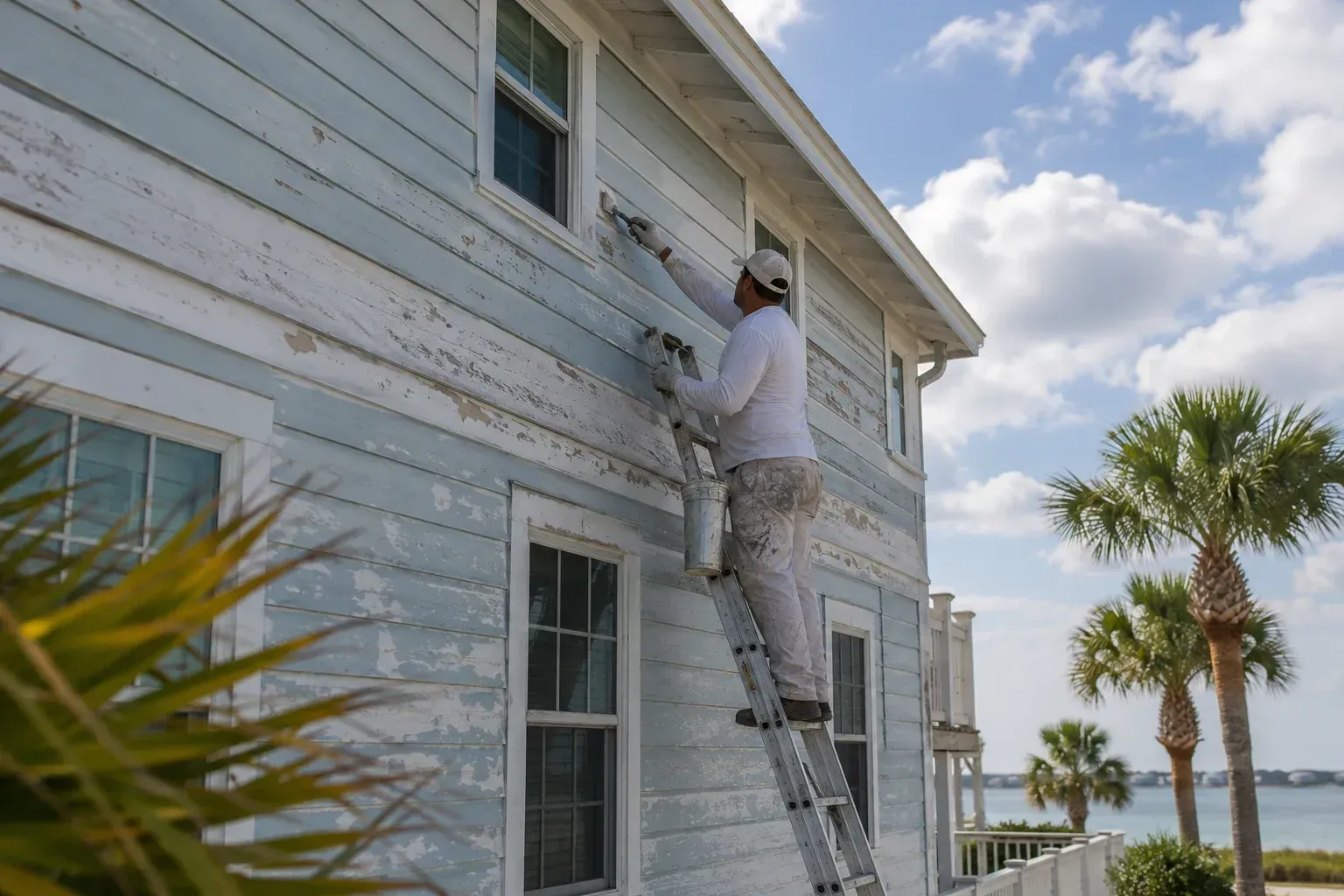
Paint on a Gulf Coast home works harder than paint almost anywhere else in the country. It faces salt spray carried inland on sea breezes, humidity levels that hover above 70 percent for much of the year, strong summer UV, and afternoon storms that soak siding again and again. Each of these wears down exterior painting in a different way, and together they shorten the time between repaints.
Knowing what a realistic repainting schedule looks like helps you plan ahead, budget sensibly, and catch small problems before they turn into wood rot or costly siding repairs. This guide covers the factors that affect paint lifespan in Pensacola, the warning signs to watch for, and the habits that stretch out the years between paint jobs.
Why Pensacola's Coastal Climate Is Hard on Exterior Paint
Pensacola sits right on the Gulf, and that location shapes everything about how paint ages here. Four conditions do most of the damage.
Salt Air
Salt is corrosive, and it pulls moisture out of the air and holds it against your siding. Salt particles settle on painted surfaces and slowly break down the paint film while dulling the color. Homes within a few miles of the water, especially near Pensacola Beach, Perdido Key, and Gulf Breeze, see this effect the most.
High Humidity
Humidity keeps painted surfaces damp for long stretches. That constant moisture encourages mildew and algae growth, softens paint over time, and swells wood siding and trim, which stresses the paint film as the material expands and contracts.
Intense UV Exposure
Northwest Florida gets strong sun for most of the year. UV rays break down the resins and pigments in paint, which leads to fading, chalking, and brittleness. South- and west-facing walls usually show damage first.
Rain and Storm Activity
Pensacola averages more than 60 inches of rain per year, one of the highest totals in the country. Frequent downpours and the occasional tropical system test the paint's ability to shed water. Once the film cracks or peels even slightly, water gets underneath and the damage speeds up.
How Often Should Homes Be Repainted in Pensacola?
For most properties in the area, plan on repainting the exterior every 4 to 7 years. Where your home lands in that range depends on a handful of factors:
- Distance from the coast. Waterfront homes often need repainting every 3 to 5 years. Properties farther inland, such as those in Pace, Milton, or Cantonment, may comfortably reach 6 or 7 years.
- Siding material. Different materials hold paint differently, which is covered in the next section.
- Paint quality and prep work. A premium acrylic paint applied over a clean, repaired, primed surface lasts noticeably longer than a budget coat applied over dirt or chalky residue.
- Sun and shade. Shaded homes stay damp longer and fight more mildew, while homes in full sun fade faster.
- Color choice. Darker colors absorb more heat and UV, so they tend to break down sooner than lighter shades.
These are general timelines, not fixed rules. The condition of the paint itself is always a better guide than the calendar.
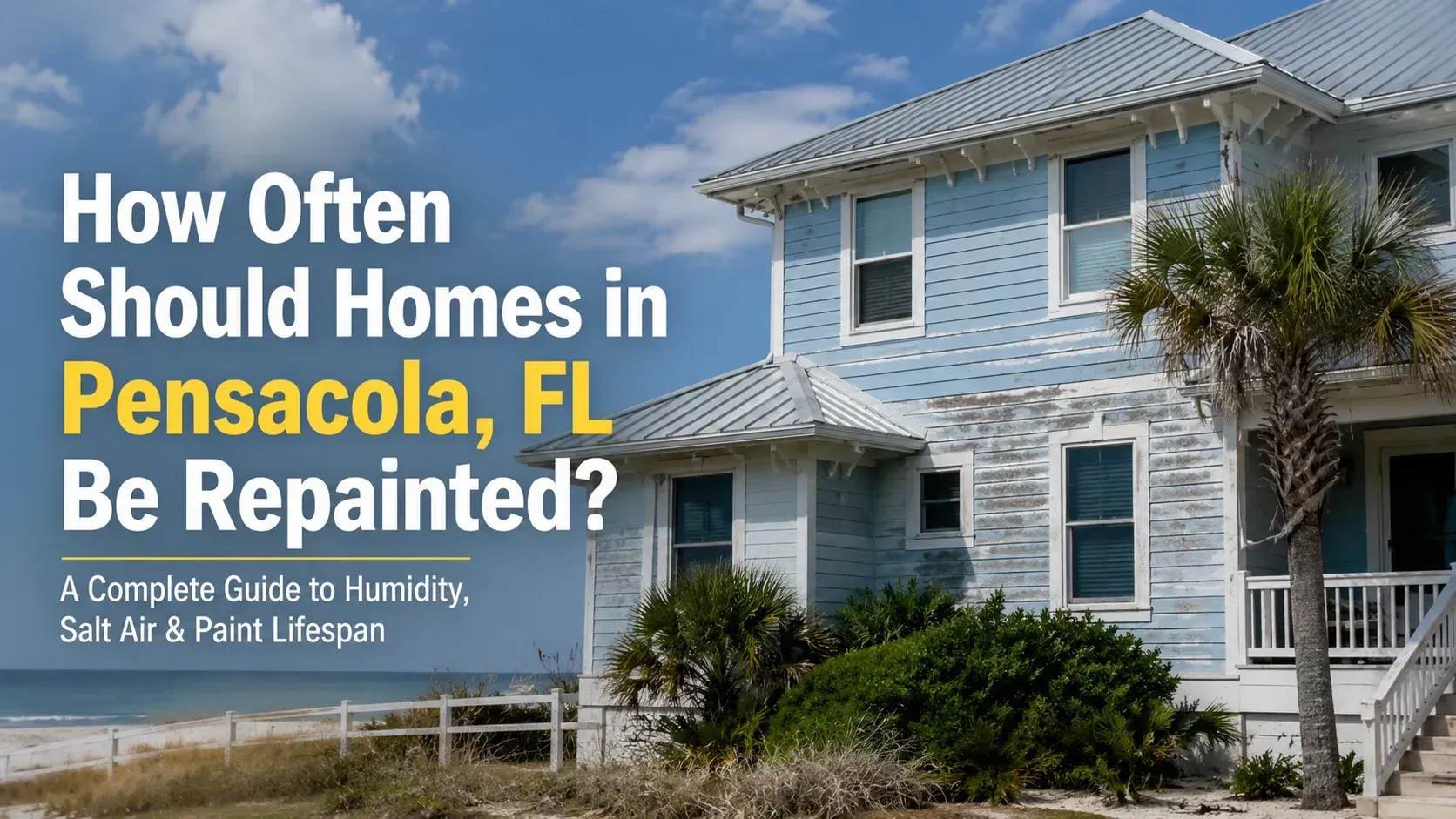
Repainting Timelines by Siding Material
Wood Siding: Every 3 to 5 Years
Wood is the most vulnerable material in a humid coastal climate. It absorbs moisture, swells, shrinks, and puts constant stress on the paint film. Painted wood homes near the water often sit at the short end of this range.
Stucco: Every 5 to 7 Years
Stucco holds paint reasonably well, but hairline cracks are common and they let moisture in behind the surface. Keeping cracks sealed is just as important as the repainting schedule itself.
Fiber Cement: Every 7 to 10 Years
Fiber cement handles humidity better than wood and holds paint longer. Even so, salt buildup and UV fading still take a toll, so coastal fiber cement homes may need attention closer to the 7-year mark.
Brick and Painted Masonry: Every 8 to 12 Years
Painted brick is durable, though it is not maintenance free. Moisture moving through masonry can cause bubbling or peeling if the wrong type of paint was used, so breathable masonry coatings matter here.
Vinyl Siding: Varies
Vinyl does not require paint, but many owners paint it to update the color. When painted with vinyl-safe products, it typically needs recoating every 5 to 8 years.
Signs Your Home's Exterior Needs Repainting
The calendar is a rough guide. Your siding will tell you the real story. Watch for:
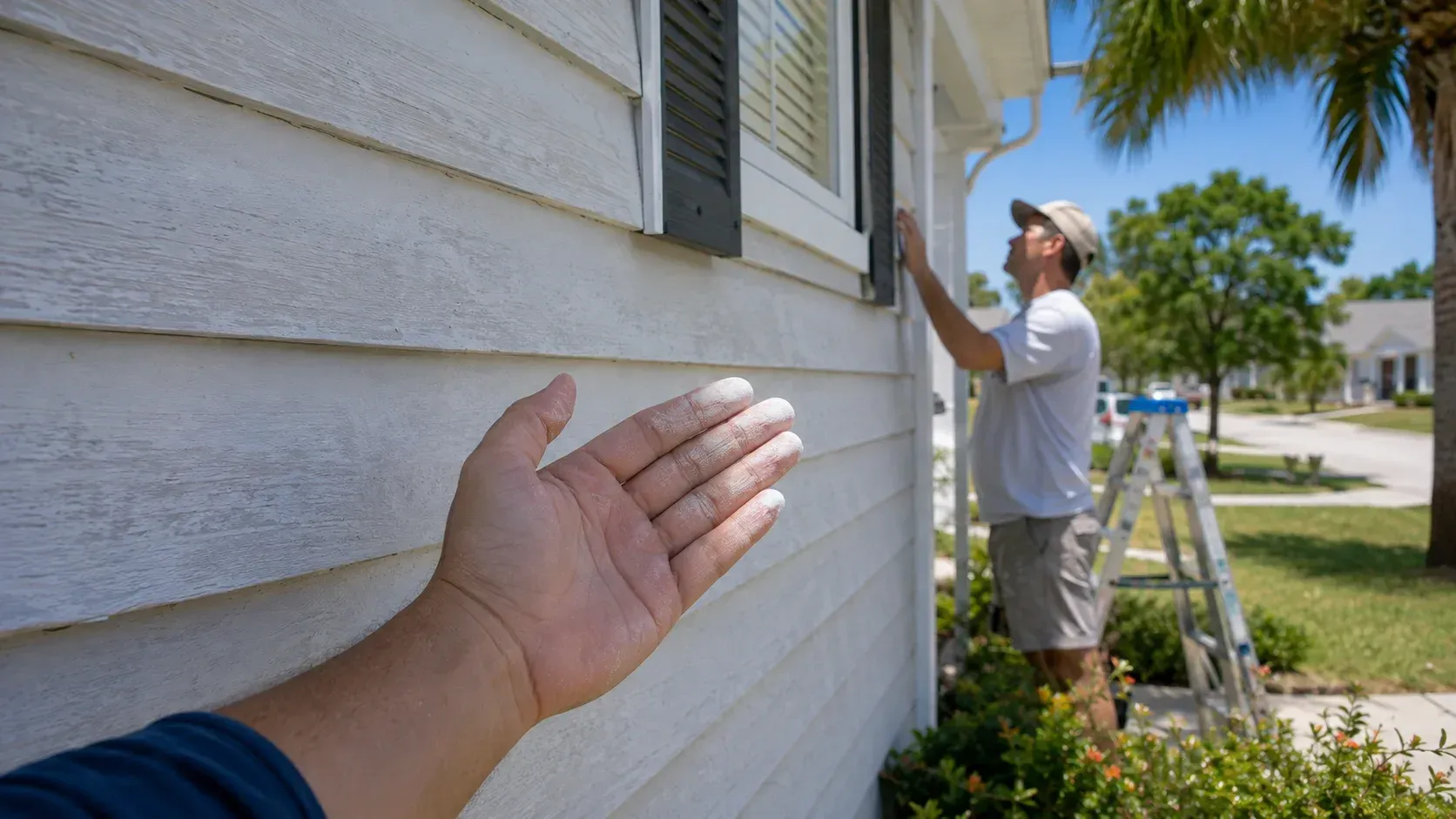
- Fading or chalking. Run a hand across the surface. A powdery residue means the paint binder has broken down.
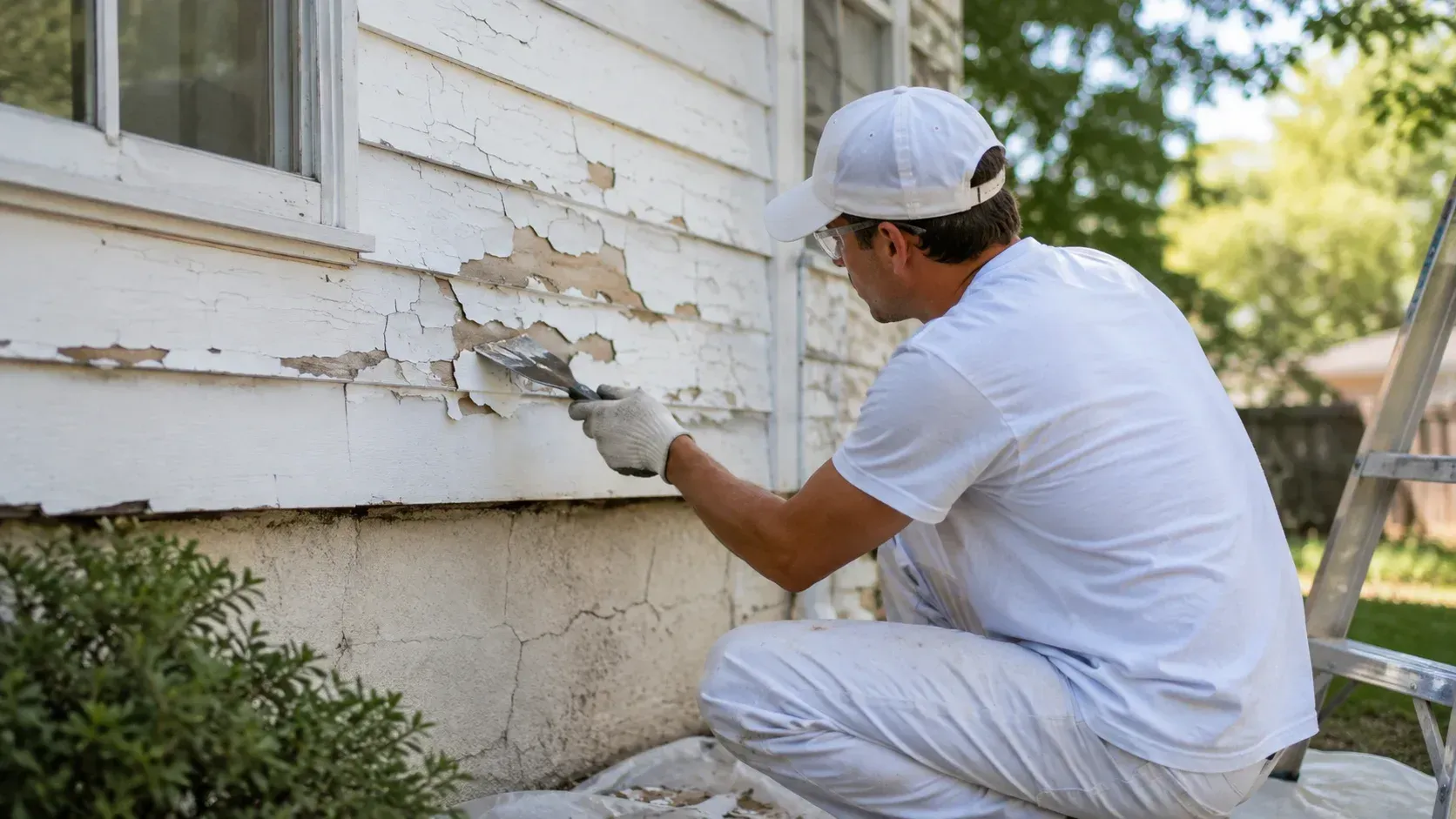
- Peeling, cracking, or bubbling. These openings let water reach bare wood or masonry, and rot follows quickly in this climate.
- Mildew and algae stains. Green or black streaks are common on shaded, humid walls. Some can be washed off, but recurring growth often means the paint film is failing.
- Cracked or shrinking caulk. Gaps around windows, doors, and trim invite water intrusion even when the paint itself looks fine.
- Rust stains around nails and fasteners. Salt air speeds up corrosion, and rust streaks usually mean moisture is getting behind the surface.
- Wood that feels soft. Soft or spongy trim indicates moisture damage that needs repair before any repainting happens.
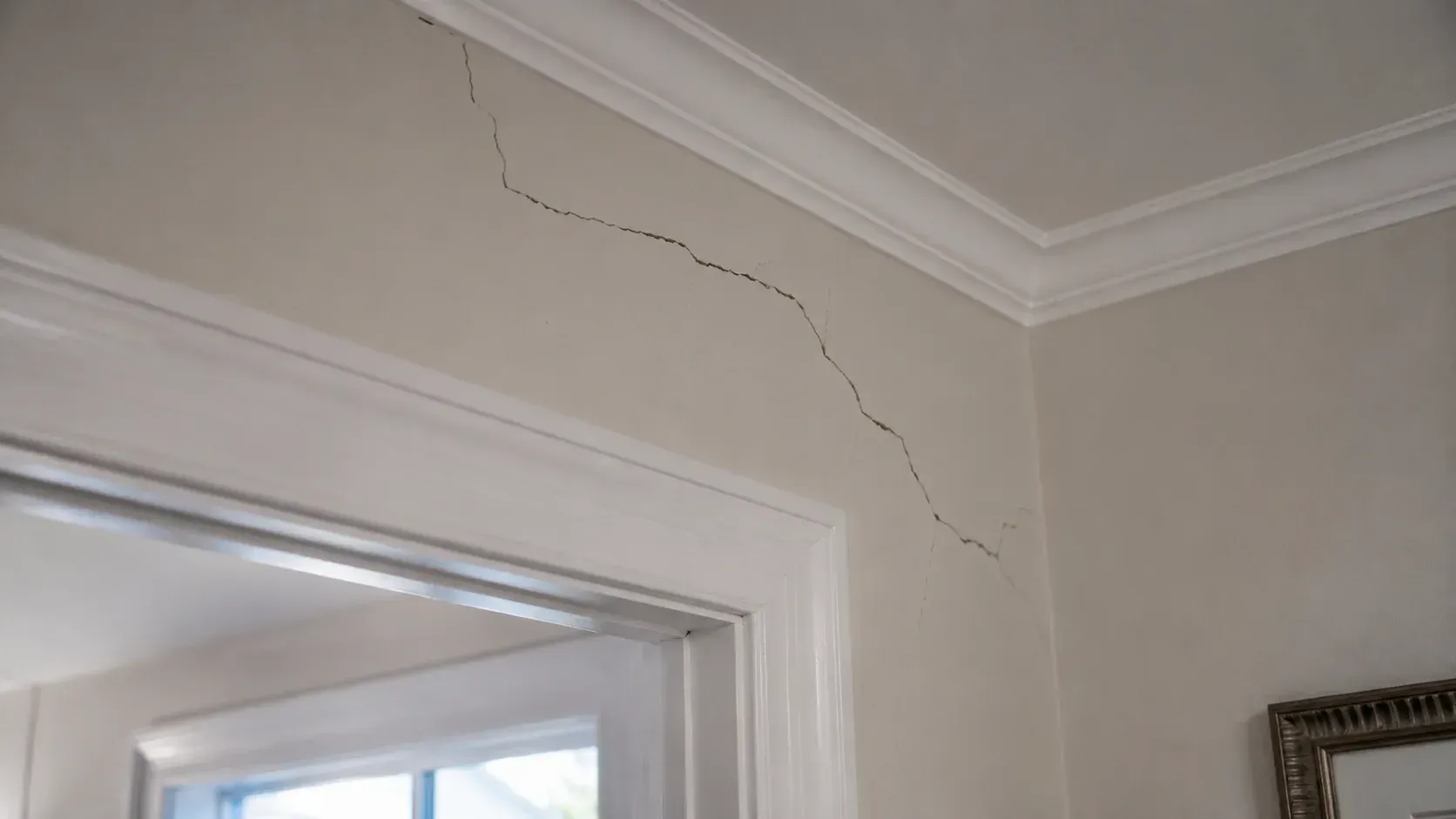
If several of these signs are showing at once, repainting sooner rather than later usually costs less than waiting, because prep and repair work grows with every season of neglect. This applies indoors too. Interior walls give off their own warning signs when a repaint is overdue.
How to Extend the Life of Your Exterior Paint
You cannot change the climate, but a few habits make a real difference in how long a paint job lasts here.
Wash the exterior once or twice a year. A gentle rinse removes salt, dirt, and mildew before they eat into the paint film. Professional pressure washing done at safe pressure levels is one of the most cost-effective ways to protect a coastal paint job.
Inspect the house every spring. Walk the perimeter after storm season and look for cracked caulk, peeling spots, and rust stains. Touching up small failures early keeps water out.
Keep vegetation trimmed back. Bushes and trees that touch siding trap moisture against the wall and hold mildew in place.
Do not skip surface prep. Cleaning, scraping, sanding, priming, and repairing damaged areas before painting has more effect on lifespan than almost any other single decision. Paint applied over chalky or damp surfaces fails early no matter how good the product is.
Choose paint made for coastal conditions. High-quality 100 percent acrylic exterior paints resist salt, UV, and moisture better than economy products. Exterior paint is a protective layer as much as a cosmetic one, and it plays a direct role in how it can protect your home from moisture damage.
A Note for Business Owners
Commercial buildings in Pensacola face the same salt and humidity, often with larger surface areas and more traffic around entrances. Faded or peeling paint on a storefront also shapes how customers perceive the business. Most commercial exteriors here follow a similar 4 to 7 year cycle, and scheduling repaints during slower periods keeps disruption to a minimum.
Conclusion
Homes in Pensacola, FL generally need exterior repainting every 4 to 7 years, with coastal properties and wood-sided homes sitting at the shorter end of that range. Salt air, humidity, UV exposure, and heavy rainfall all wear paint down faster here than in most parts of the country.
The most reliable approach is to treat those timelines as a starting point and let the condition of your siding guide the final decision. Regular washing, yearly inspections, and honest attention to warning signs like peeling, chalking, and cracked caulk will tell you when the time has come. And when a repaint is due, thorough prep work and quality coastal-grade paint matter more than anything else for how long the next coat lasts.
Not Sure If Your Exterior Paint Has Reached Its Limit?
If you are seeing fading, peeling, or mildew and want a clear picture of where your home stands, a professional assessment can help you understand your options without any pressure to act. Fresh Start Painting Inc. offers free, written estimates for homeowners and business owners throughout the Pensacola area. Feel free to
contact us with your questions, or call (850) 346-8319 to talk through what you are noticing on your home's exterior. The goal is simple: give you the information you need to make a well-informed decision on your own timeline.
Frequently Asked Questions
How often should homes be repainted in Pensacola, FL?
Most homes in the area need exterior repainting every 4 to 7 years. Homes close to the water or with wood siding often need it every 3 to 5 years, while inland homes with durable siding may go longer.
Does salt air really damage house paint?
Yes. Salt particles settle on painted surfaces, attract moisture, and gradually break down the paint film. This causes fading, chalking, and corrosion around metal fasteners, especially on homes within a few miles of the coast.
What time of year is best for exterior house painting in Pensacola, FL?
Fall through spring is generally the most practical window. Temperatures are moderate, humidity is lower, and afternoon thunderstorms are less frequent than in summer. Paint cures best when surfaces are dry and humidity is not extreme.
Can I just paint over mildew or peeling paint?
No. Painting over mildew traps the growth underneath, and painting over peeling areas causes the new coat to fail quickly. Surfaces need to be cleaned, scraped, sanded, and primed first for the paint to bond properly.
How can I tell the difference between dirt and failing paint?
Wash a small area first. If the discoloration rinses away and the surface looks sound, it was likely dirt or surface mildew. Chalky residue, cracking, or dull, uneven color after cleaning means the paint film itself is breaking down.
Related Posts