What Happens If You Don't Repaint Peeling Exterior Paint?
Table of Contents
- Introduction
- What Happens If You Don't Repaint Peeling Exterior Paint?
- Why Does Exterior Paint Peel in the First Place?
- The Hidden Damage Behind Peeling Paint
- Peeling Paint and Pensacola's Coastal Climate
- How to Tell Minor Peeling From a Bigger Problem
- What to Do About Peeling Exterior Paint
- Common Mistakes Homeowners Make
- When Should You Call a Professional?
- Conclusion
- Frequently Asked Questions
Key Takeaways
- Ignoring peeling exterior paint exposes the surface underneath to moisture, which can lead to wood rot, mold, and costly structural repairs.
- Peeling is rarely just cosmetic, so treating it early usually costs far less than addressing the damage it allows.
- Common causes of exterior paint peeling problems include trapped moisture, poor surface prep, sun and heat, and aging coatings.
- Pensacola's humidity, salt air, and heavy rain speed up house paint peeling and the damage that follows.
- Proper repair means addressing the cause and prepping the surface, not simply painting over the peeling area.
Introduction
What happens if you don't repaint peeling exterior paint? The bare surface left behind is exposed to moisture, which can lead to wood rot, mold, and deeper structural damage that costs far more to fix than a repaint. At Fresh Start Painting, we see this often with exterior painting projects across Pensacola, FL, where the coastal climate speeds things along. Acting early, as our guide on how often to repaint a house exterior explains, is the cheaper path.
Peeling paint can look like a small, cosmetic nuisance. The trouble is what it lets in once that protective layer is gone. Here is what is really at stake when peeling is left alone.
What Happens If You Don't Repaint Peeling Exterior Paint?
When peeling exterior paint is ignored, the surface beneath loses its protective barrier and becomes vulnerable to water, sun, and pests. From there, the problem rarely stays still. Moisture works into exposed wood, the peeling spreads to surrounding areas, and what began as a patch turns into a much larger repair.
The short version: peeling paint is the warning, not the disaster. The disaster is the wood rot, mildew, and siding damage that can follow if the warning goes unanswered. The longer it sits, the more surface it exposes and the bigger the eventual job becomes.
Why Does Exterior Paint Peel in the First Place?
Paint peels when it loses its grip on the surface, and a few culprits are usually behind it. Understanding the cause matters, because painting over it without fixing the root issue rarely lasts.
- Trapped moisture: water from rain, humidity, or interior leaks gets behind the paint and pushes it off the surface. This is the most common cause in coastal areas.
- Poor surface preparation: paint applied over a dirty, glossy, or damp surface cannot bond properly and lets go early.
- Sun and heat: constant UV and high temperatures make paint brittle, so it cracks and then peels.
- Age: every coating has a lifespan, and old paint naturally loses flexibility and adhesion.
- Incompatible layers: applying the wrong paint type over an existing coat can cause the new layer to lift.
In Pensacola, moisture and sun are usually the leading suspects. Knowing which one is at work shapes the right fix.
The Hidden Damage Behind Peeling Paint
The real concern with peeling paint is the chain of problems it can set off once the surface is exposed. Left unchecked, exterior paint peeling problems tend to progress like this:
- Moisture intrusion: rain and humidity reach the bare siding or trim with nothing to repel them.
- Wood rot: sustained moisture softens and decays wood siding, fascia, and trim.
- Mold and mildew: damp, shaded surfaces grow mildew that spreads and stains.
- Pest entry: softened, rotting wood becomes an easy entry point for insects.
- Structural deterioration: over time, decay can move from cosmetic boards into components that matter.
- A bigger, costlier repaint: rotted material often must be repaired or replaced before any painting can happen.
None of this happens overnight, which is exactly why it is easy to put off. The damage builds quietly until it is no longer a paint problem but a carpentry one.
Signs It's Time to Repaint Your Home's Exterior
Beyond the calendar, your house gives clear signals. Watch for these signs that it is time for exterior house painting:
- Fading color, especially on sun-exposed walls, which signals the finish is breaking down.
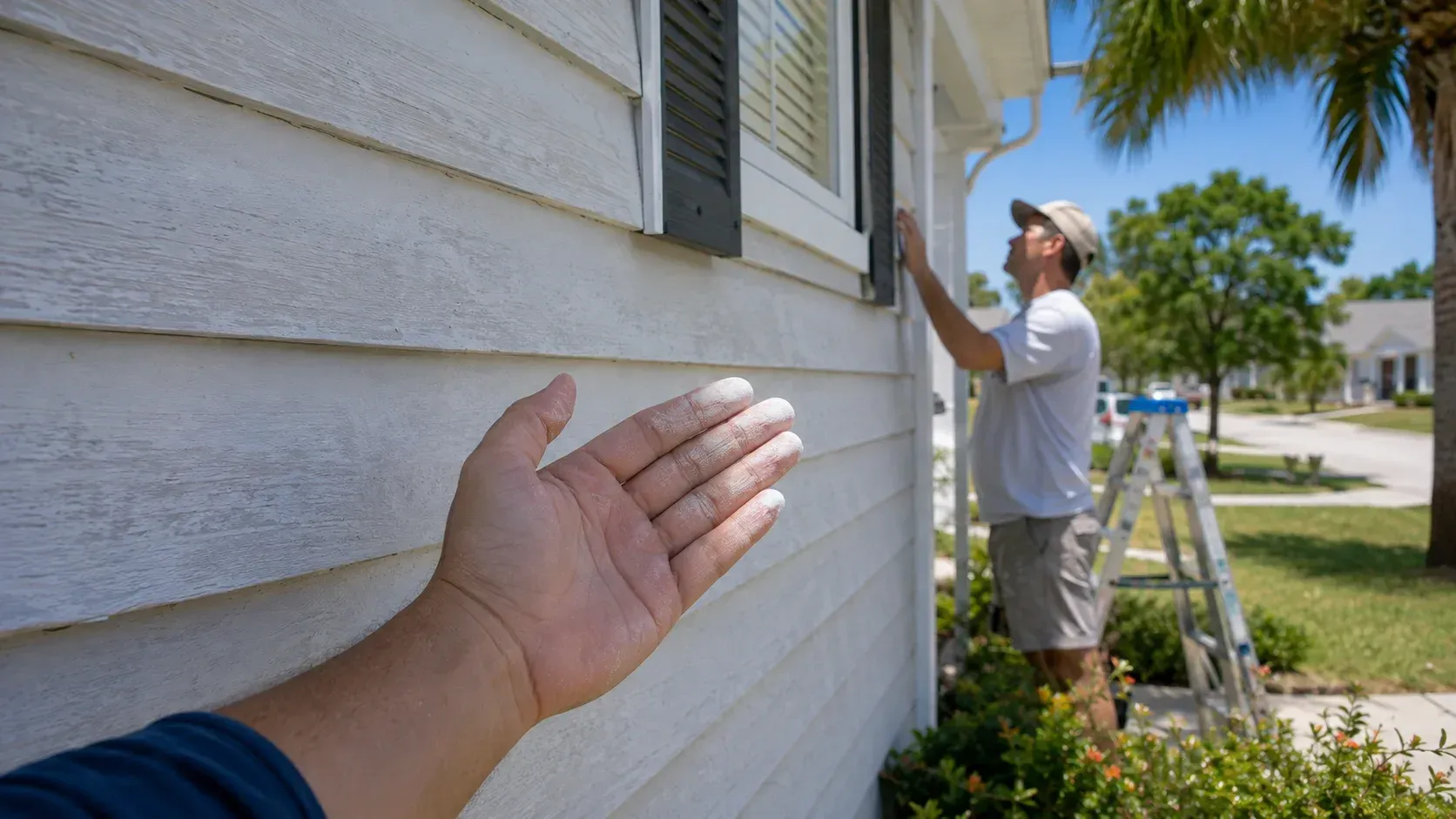
- Chalking, a powdery residue that rubs off on your hand.
- Peeling, flaking, or blistering, where the paint is lifting from the surface.
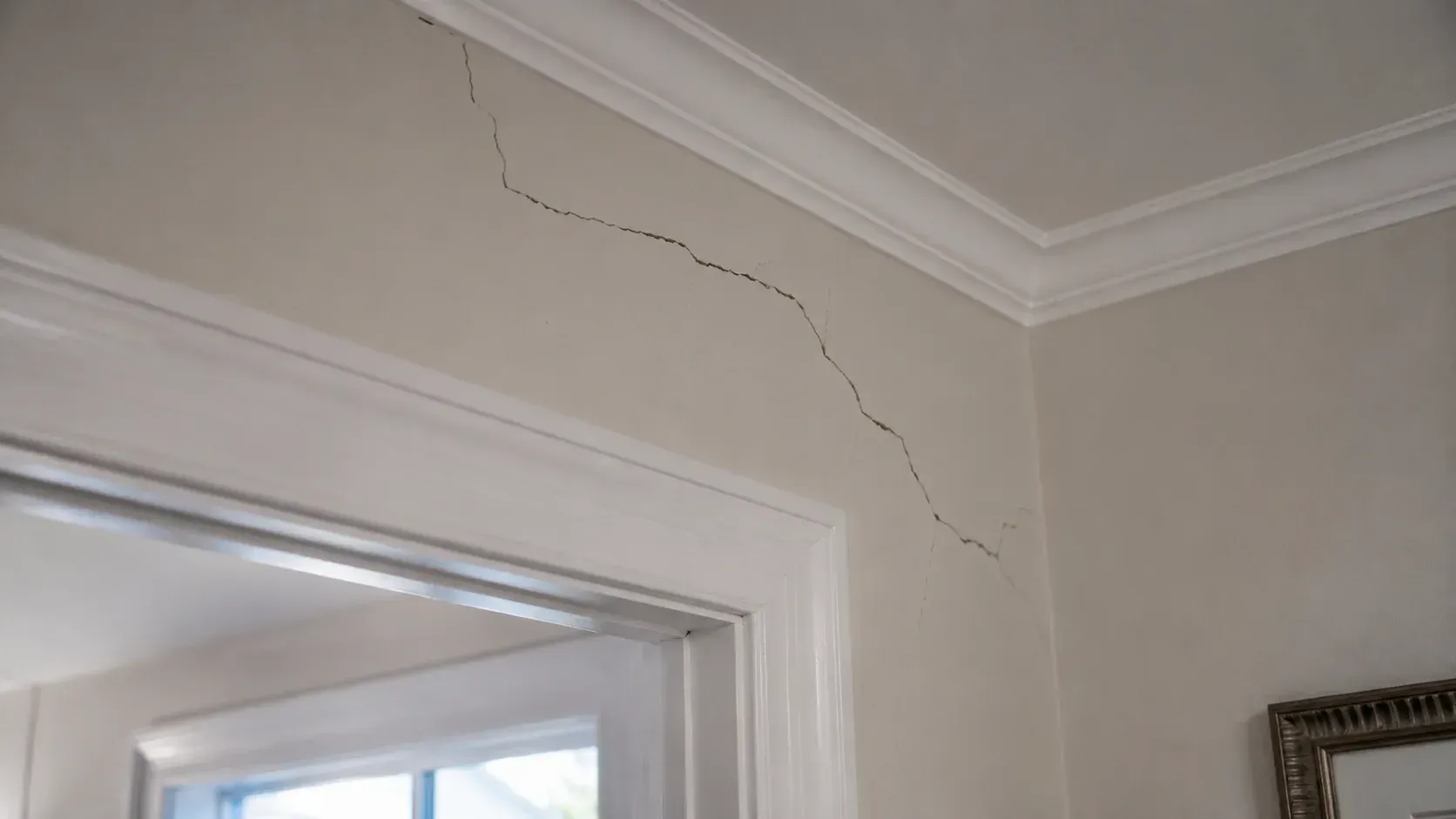
- Cracking or alligatoring, a scaly pattern that lets moisture in.
- Gaps and exposed caulk around trim, windows, and doors.
- Bare or weathered wood showing through thin spots.
Catching these early matters. Peeling in particular is worth acting on promptly, since it exposes the surface beneath. Our article on what happens if you don't repaint peeling exterior paint explains the risks of letting it slide.
Peeling Paint and Pensacola's Coastal Climate
Pensacola's environment accelerates nearly every stage of that progression. Our warm, humid air keeps surfaces damp longer, which feeds both peeling and the rot that can follow.
Salt air near the coast is hard on finishes and speeds chalking and failure. Intense Gulf sun bakes and embrittles paint, while frequent heavy rain drives water against any exposed spot. Put together, these conditions mean house paint peeling here can lead to moisture damage faster than it would in a drier, milder climate. A small peeling patch you might safely watch for a year inland deserves quicker attention along the Gulf Coast.
How to Tell Minor Peeling From a Bigger Problem
Not every flake is an emergency, but some signs suggest the issue runs deeper than the surface. It may be more than cosmetic if you notice:
- Soft or spongy wood when you press on the siding or trim.
- Dark staining or discoloration around the peeling area.
- Peeling that keeps returning in the same spot after touch-ups.
- A musty smell near the affected wall.
- Widespread peeling across a large section rather than an isolated chip.
These point to trapped moisture or early rot, which need to be addressed before repainting. Isolated peeling on otherwise sound wood is usually more straightforward, though it still calls for proper prep.
What to Do About Peeling Exterior Paint
The right response to peeling exterior paint is to fix the cause and prepare the surface, not just brush a new coat over the top. A sound repair generally involves:
- Finding and addressing the moisture source, whether that is a leak, poor drainage, or gaps in caulk.
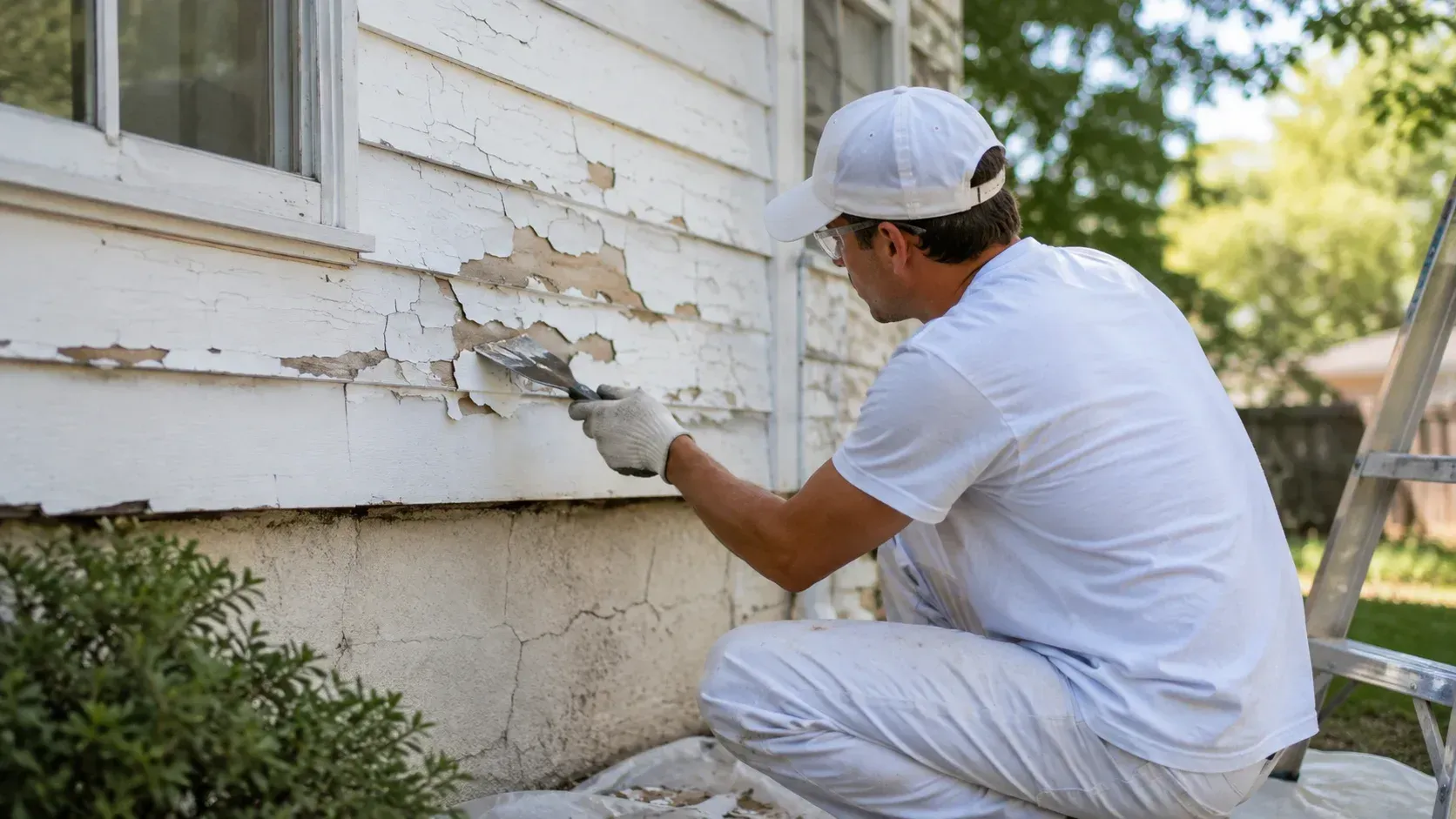
- Scraping away all loose, flaking paint back to a stable surface.
- Sanding to smooth edges and create a surface the new paint can grip.
- Repairing or replacing any rotted or damaged wood.
- Priming bare spots so the topcoat bonds and lasts.
- Repainting with a quality exterior product suited to the climate.
Skipping the prep is the fastest way to see the peeling come right back. Thorough surface work, sometimes including gentle pressure washing beforehand, is what makes a repair hold.
Common Mistakes Homeowners Make
When peeling shows up, a few well-meant missteps tend to make things worse:
- Painting straight over peeling paint. Without scraping and priming, the new coat lifts along with the old.
- Ignoring it entirely. Waiting lets moisture reach the wood and turns a paint job into a repair job.
- Treating the symptom, not the source. Repainting without fixing the leak or moisture issue guarantees a repeat.
- Using the wrong paint. Incompatible products can peel quickly, especially in humid conditions.
- Skipping maintenance afterward. Regular washing and touch-ups help prevent the next round.
Keeping up with siding care helps too. Our post on
maintenance tips for vinyl siding in Pensacola covers habits that protect your exterior between paint jobs.
When Should You Call a Professional?
It is worth calling a professional when peeling is widespread, keeps returning, or comes with signs of soft wood or moisture damage. An experienced painter can identify why the paint is failing, address the underlying cause, and prep the surface so the repair actually lasts.
Professional help is especially valuable when rot or structural concerns may be involved, since those need proper repair before any paint goes on. The aim is a lasting fix rather than a temporary cover-up that peels again next season. A quick assessment can tell you whether you are dealing with simple surface peeling or a moisture problem that deserves prompt attention.
Conclusion
Peeling exterior paint is easy to dismiss, but it is really the start of a chain that can run from moisture intrusion to wood rot and beyond. The protective layer is gone, and in a humid, coastal place like Pensacola, the damage underneath can advance quickly once that barrier fails.
The encouraging part is that early action keeps it simple. Addressing the cause, prepping the surface properly, and repainting with the right product stops the progression before it becomes a costly repair. Understanding what is at stake puts you in a strong position to protect both your home's appearance and the structure beneath it.
Concerned About Peeling Exterior Paint in Pensacola?
Noticing paint lifting or flaking on your home? The team at Fresh Start Painting Inc. can assess the cause, handle the prep and any repairs, and apply a finish built to hold up to Gulf Coast conditions. We provide residential exterior painting across Pensacola and nearby communities, with careful attention to surface preparation. Reach out today to discuss your project. Call (850) 346-8319 or message us through our contact page.
Frequently Asked Questions
Can we just paint over peeling exterior paint to save time?
It is not advisable. New paint over loose, flaking paint lifts right along with it. We need to scrape, sand, and prime first so the fresh coat bonds and the peeling does not return.
How quickly does peeling paint lead to wood rot on our home?
It depends on exposure, but in Pensacola's humid, rainy climate, exposed wood can begin to suffer within months. Acting on peeling early greatly lowers the risk of rot setting in.
Why does our exterior paint keep peeling in the same spot?
Repeated peeling in one area usually means trapped moisture or a leak feeding that surface. Until we find and fix that source, any new paint there is likely to peel again.
Is peeling paint on our trim as serious as peeling on the siding?
Yes, it can be. Trim, fascia, and eaves are often wood and just as prone to rot once exposed. House paint peeling on these areas deserves the same prompt attention as the main walls.
Do we need to replace the wood if peeling has gone unaddressed for a while?
Not always. If the wood is still solid, prep and repainting may be enough. If it has softened or rotted, we would repair or replace those sections before painting for a lasting result.
Related Posts