What Causes Drywall Cracks in Older Homes in Cantonment, Florida?
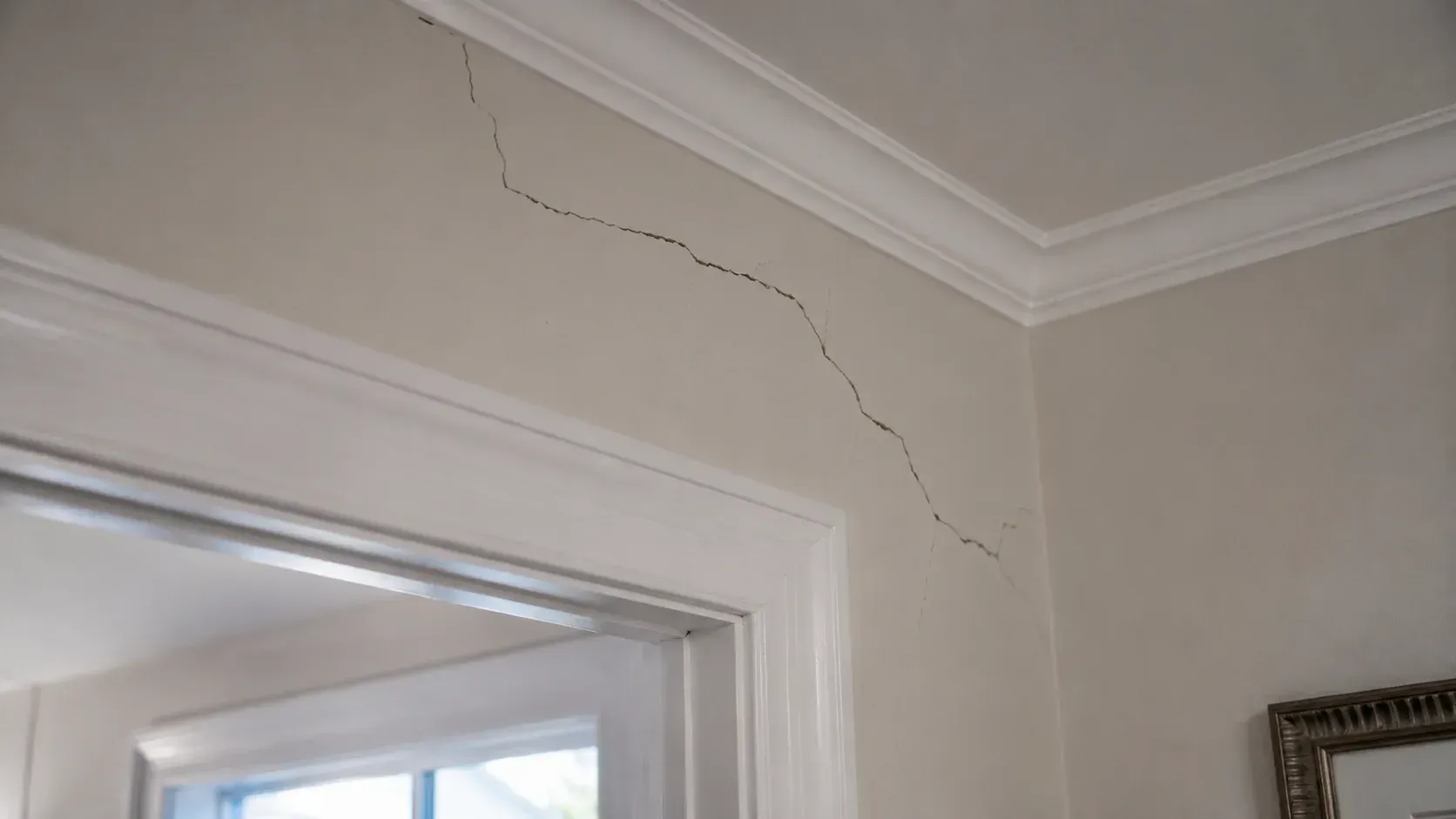
Table of Contents
- Introduction
- Why Older Homes Crack More Than New Construction
- The Most Common Causes of Drywall Cracks
- How to Tell a Cosmetic Crack From a Serious One
- Florida-Specific Factors That Make Cracking Worse
- What Happens If Cracks Are Ignored
- How Drywall Cracks Are Repaired Before Painting
- Conclusion
- Noticing Cracks You Have Been Putting Off?
- Frequently Asked Questions
Key Takeaways
- Most drywall cracks in older homes are cosmetic and caused by normal settling, seasonal movement, or aging joint compound — not structural problems.
- Cracks that are wide, diagonal, or growing over time are worth having evaluated, since they can indicate foundation movement or moisture damage.
- Florida's humidity and temperature swings cause wood framing to expand and contract more than in drier climates, which accelerates cracking in older homes.
- Painting over cracks without proper repair leads to the same cracks reappearing through the new paint within a season or two.
- A professional repair and paint approach addresses the cause before covering it, so the finished result holds up.
Introduction
Drywall cracks in older homes in Cantonment are usually caused by normal settling, wood framing movement from Florida's humidity, aging joint compound, or minor foundation shifts — most of which are cosmetic rather than structural. Understanding what is driving the crack helps you respond appropriately instead of either ignoring a real problem or worrying unnecessarily about a minor one.
For homeowners, the tricky part is telling the difference. A hairline crack above a doorway is rarely something to worry about, while a wide, spreading crack can mean movement that needs attention. Since cracks almost always get addressed as part of interior painting prep, knowing what caused one helps you decide whether a simple patch will hold or whether more investigation is smart.
This guide covers the common causes, how to read what a crack is telling you, and how a proper repair is done so paint holds up after the job is finished.
Why Older Homes Crack More Than New Construction
New homes crack too, but older homes in Cantonment have something new ones do not: decades of accumulated movement. Every year, framing lumber absorbs moisture in summer and dries out in winter. Over time, that cycling leaves wood slightly twisted, cupped, or bowed compared to its original state.
Original joint compound also ages. The tape and mud applied to seams when drywall was first hung can dry out, shrink, or lose adhesion over the years, especially in areas of the home that get warm and dry in summer. When the compound separates from the drywall paper, cracks form at seams and corners.
Homes that have had multiple paint jobs applied over the years without addressing underlying issues can also develop cracking from paint buildup — thick layers of old paint that have expanded and contracted over time eventually crack or lose adhesion at weak points.
The Most Common Causes of Drywall Cracks
Most cracks fit into one of a few categories, and knowing which you are looking at helps frame the right response.
Settling and Framing Movement. Houses settle after construction as loads redistribute and lumber dries. In older homes, most of that initial settling has already happened, but framing still moves with seasonal humidity changes. Hairline cracks at corners, along seams, and at ceiling-to-wall joints are the most common result.
Tape and Joint Compound Failure. Drywall seams are covered with tape embedded in joint compound. Over time, tape can bubble, separate, or crack, especially in areas with temperature swings. This shows up as horizontal or vertical cracking that follows seam lines.
Nail Pops. Drywall is fastened with nails or screws. As framing dries and shrinks, fasteners can push outward through the drywall surface, creating round bumps or cracks radiating from a central point. These are almost always cosmetic.
Foundation Movement. This is the category that gets attention. Diagonal cracks running from the corners of door or window openings, or cracks that widen over time, can indicate foundation movement. These are less common than the cosmetic types but worth taking seriously when they appear.
Moisture Intrusion. Water damage causes drywall to soften and eventually crack or crumble. Staining around a crack, or a crack that appears after a wet season, suggests moisture rather than simple settling.
How to Tell a Cosmetic Crack From a Serious One
Not every crack needs the same response. These guidelines help sort what you are looking at.
Hairline cracks that run straight along seams, at inside corners, or across ceilings are almost always cosmetic. They result from the normal movement and aging described above, and they can be repaired and painted over cleanly.
Cracks wider than roughly one-eighth of an inch deserve more attention. Width alone does not confirm a structural problem, but it does suggest more movement than simple settling.
Diagonal cracks, especially those running from the corners of windows or doors at roughly 45 degrees, are the pattern most associated with foundation or structural movement. If these appear, an evaluation by a contractor or structural engineer is worth doing before any cosmetic repair.
Cracks that grow or reopen after being repaired are the other significant sign. A static crack is almost always cosmetic. One that keeps moving is telling you something is still active underneath.
Discoloration around a crack, or drywall that feels soft, spongy, or crumbles at the edges, points to moisture damage, which requires addressing the water source before any repair will hold.
Florida-Specific Factors That Make Cracking Worse
Homes in Cantonment and the surrounding area deal with conditions that accelerate the cracking process compared to homes in drier parts of the country.
Humidity is the main one. Florida's summers bring high moisture levels that wood framing absorbs, and the drier winter months cause that framing to release moisture and shrink. This annual expansion and contraction cycle is more pronounced than in most regions, and it puts cumulative stress on drywall finishes over time.
Temperature swings between air-conditioned interiors and hot outdoor temperatures also contribute. The interface between inside and outside — around windows, doors, and exterior walls — sees more movement than interior walls, which is why cracks often concentrate in those areas.
Salt air from proximity to the Gulf coast can accelerate corrosion of fasteners over many years in some older homes, contributing to nail pops. And homes built before modern vapor barriers were standard may deal with more moisture migration through walls, which affects both the drywall and the framing behind it.
What Happens If Cracks Are Ignored
Cosmetic cracks do not become structural problems on their own, but leaving them unaddressed does have real consequences.
Painting over cracks without repairing them first is the most common mistake. Paint fills hairline cracks temporarily, but it does not bond across a gap. Within a season or two, the cracks reappear through the new paint, often more visibly because the paint layer has made them more defined. Proper repair before painting is the only way to get a result that holds.
Moisture-related cracks that go unaddressed allow water to continue damaging the drywall and potentially the framing behind it. What starts as a surface issue can become a replacement job if moisture intrusion continues.
Foundation cracks that are not evaluated can worsen without detection. Cosmetic repair on top of an active foundation issue does not stop the underlying movement.
How Drywall Cracks Are Repaired Before Painting
A professional repair process treats the crack rather than just covers it. The approach depends on the type and size of the crack.
Hairline cracks along seams are typically opened slightly, re-taped with mesh or paper tape, and re-coated with joint compound in multiple thin layers. Skipping the re-tape step and just applying compound over a crack produces a repair that cracks again, because the compound has nothing to grip across the gap.
Nail pops are corrected by adding a fastener near the popped one to re-secure the drywall, then covering both with compound and feathering it out flat. Simply driving the popped nail back in without securing the panel almost always results in it popping again.
Larger cracks or damaged sections may require cutting out the damaged drywall and patching with a new piece, properly taped and finished to blend with the surrounding surface.
After any repair, the area is sanded smooth and primed before painting. Spot-priming repaired areas separately seals the compound so it does not create dull spots through the finish coat. Good surface prep is what separates a repair that holds from one that shows through the paint within a year.
Conclusion
Most drywall cracks in older Cantonment homes are the result of normal settling, humidity-driven framing movement, and aging joint compound rather than anything structural. They are worth repairing properly, but they do not have to be a cause for alarm.
Reading what a crack is telling you — its width, direction, location, and whether it is growing — helps you decide whether a standard cosmetic repair is appropriate or whether a structural evaluation is worth having first. In either case, painting over cracks without addressing them first produces a result that does not last. Proper repair, priming, and then painting is the sequence that makes a finished wall hold up in Florida's climate.
Noticing Cracks You Have Been Putting Off?
If you have spotted cracks and want a clear read on whether they are cosmetic or worth a closer look before repainting, a professional assessment is a sensible starting point. Fresh Start Painting Inc. provides free, written estimates for homeowners and business owners in Cantonment and the wider Pensacola area, with no pressure to commit. Contact us online or call (850) 346-8319 to talk through what you are seeing on your walls. You will get straightforward guidance to help you decide on the right next step.
Frequently Asked Questions
Yes, most are. Hairline cracks along seams, at corners, and on ceilings are common in older homes and result from normal settling and seasonal framing movement. They are cosmetic in most cases and can be repaired before painting.
Diagonal cracks running from the corners of windows or doors, cracks wider than about one-eighth of an inch, or cracks that grow or reopen after repair are the patterns most worth evaluating. A structural contractor or engineer can assess whether movement is ongoing.
Not if you want the result to last. Paint fills hairline cracks temporarily but does not bridge a gap. Cracks painted over without proper repair typically reappear through the new paint within a season or two. Repairing first is the only way to get a result that holds.
High summer humidity causes wood framing to absorb moisture and expand, and drier winter conditions cause it to release moisture and shrink. This annual cycle puts cumulative stress on drywall finishes, causing seams and corners to crack over time more than in drier climates.
As framing lumber dries and shrinks over time, nails or screws holding the drywall can push outward through the surface. This shows up as round bumps or small cracks radiating from a central point. Nail pops are cosmetic and can be repaired by re-securing the panel and patching the surface.
Discoloration or staining around a crack, drywall that feels soft or crumbles at the edges, or a crack that appeared after heavy rain or a plumbing issue all suggest moisture rather than simple settling. The water source needs to be fixed before any repair will hold.
A properly repaired, primed, and painted surface should not show the crack. Repairs that show through paint are usually the result of skipping re-taping, applying compound too thick, or not priming before painting. Good technique at each step is what produces a seamless result.
Related Posts