Is It Legal to Repaint a Home Built Before 1978 in Escambia County Without a Lead Paint Test?
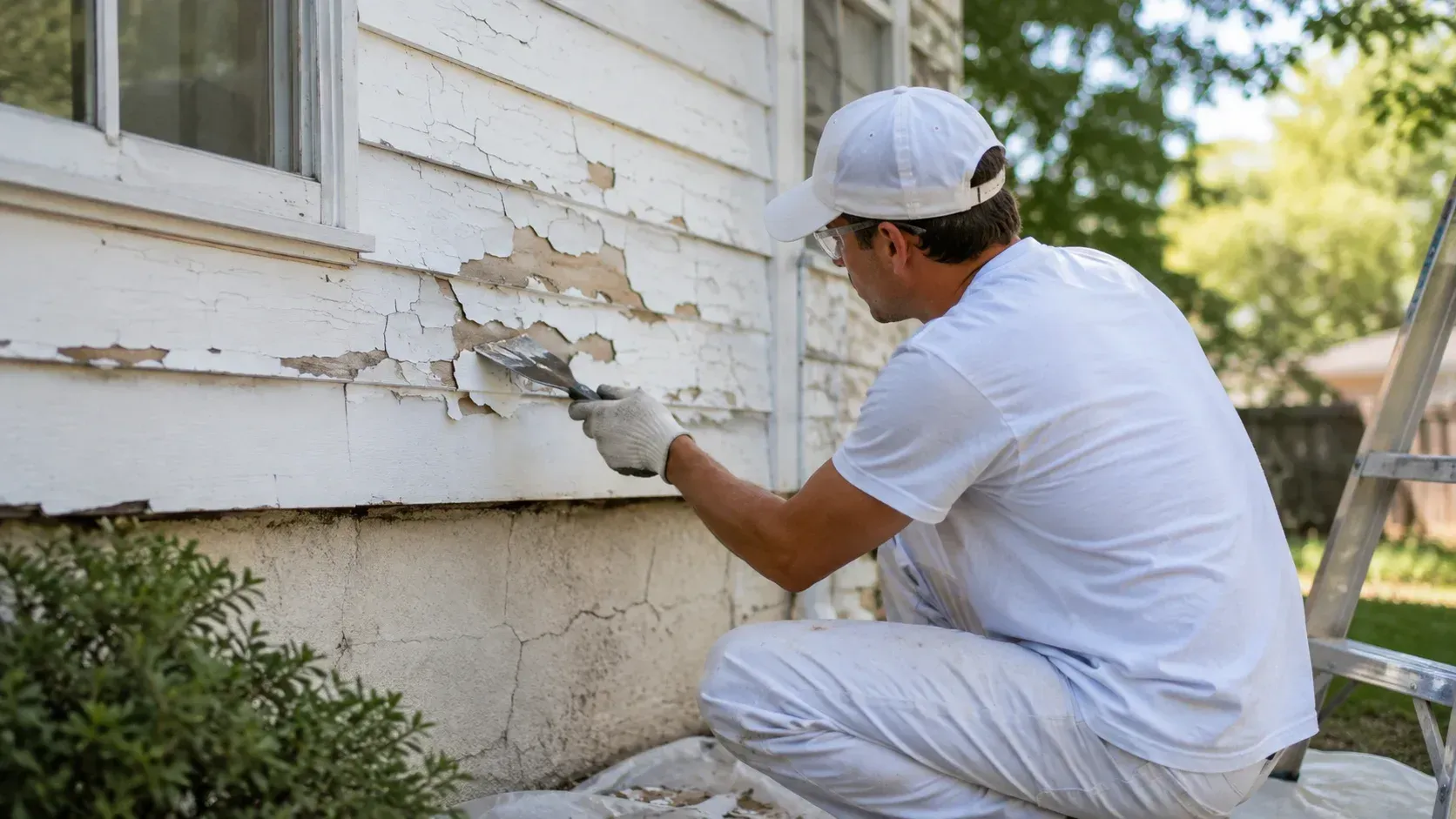
Table of Contents
- Introduction
- The Short Answer
- Why 1978 Is the Cutoff Year
- Homeowners vs. Paid Contractors: Who the Rules Apply To
- Is Lead Paint Testing Actually Required?
- What Lead-Safe Painting Involves
- Conclusion
- Frequently Asked Questions
Key Takeaways
- You can often repaint a pre-1978 home without a lead paint test, but skipping the test usually means the work must follow lead-safe practices instead, especially when a paid contractor is involved.
- The federal EPA Renovation, Repair and Painting (RRP) Rule generally applies to paid contractors working on pre-1978 housing, not to homeowners painting their own homes.
- Testing is one option. The other is to assume lead is present and use lead-safe work practices, which is often the more practical path.
- Federal disclosure law requires sellers and landlords of pre-1978 housing to share known lead information, which is separate from any painting project.
- For confirmation on your specific property and situation, the EPA and local authorities are the reliable sources, not general online advice.
Introduction
In most cases, yes, you can legally repaint a home built before 1978 in Escambia County without a lead paint test, but that is only half the answer. When a paid contractor does the work, federal law generally requires either testing for lead or, more commonly, treating the surfaces as if lead is present and following lead-safe work practices. A professional residential painting company that works on older homes is expected to understand this distinction and plan the project around it.
This matters because roughly any home built before 1978 may contain lead-based paint, which the federal government banned for residential use that year. Disturbing old paint through sanding, scraping, or prep work can release lead dust, which is a recognized health hazard, particularly for young children and pregnant women. The legal question is really a safety question wearing a legal label.
This article explains what the law actually requires, the difference between testing and assuming lead is present, who the rules apply to, and how homeowners in the Pensacola and Escambia County area can approach an older-home repaint responsibly. It is general information, not legal advice, so treat the official sources named below as the final word for your situation.
The Short Answer
Question: Is it legal to repaint a pre-1978 home in Escambia County without a lead paint test?
Usually yes, a lead paint test is not strictly mandatory, but if you hire a paid contractor, that contractor generally must be EPA Lead-Safe certified and must either test the surfaces or assume lead is present and use lead-safe work practices. A homeowner painting their own home is generally not bound by these federal rules, though the safety concerns still apply.
The test itself is rarely the legal trigger. The trigger is who performs the work and whether lead-safe practices are followed. Skipping the test is allowed precisely because the law lets you assume lead is present and work accordingly, which removes the need to confirm it first.
Why 1978 Is the Cutoff Year
The United States banned lead-based paint for residential use in 1978. Homes built before that year may contain lead paint on walls, trim, doors, windows, and exterior surfaces, sometimes under newer layers.
The age of the paint does not make it dangerous on its own. Intact, undisturbed lead paint is generally low risk. The hazard appears when the paint is disturbed, which is exactly what happens during the scraping, sanding, and surface prep that precede most repaints.
This is why any surface preparation on an older home deserves extra thought. The prep stage, not the painting itself, is where lead dust is most likely to be created.
Homeowners vs. Paid Contractors: Who the Rules Apply To
This is the distinction that answers most of the confusion, so it is worth stating plainly.
Homeowners Working on Their Own Home
The EPA RRP Rule generally does not apply to homeowners doing renovation or painting work on their own residence. You are not legally required to test or to hire a certified professional to paint your own house.
That said, the health risk does not disappear because the law is quieter. Homeowners who disturb old paint are encouraged to follow the same lead-safe steps professionals use, especially in homes with children.
Paid Contractors and Property Managers
When you pay a contractor to disturb painted surfaces in a pre-1978 home, the RRP Rule generally applies. That firm is expected to be EPA Lead-Safe certified, and the workers should be trained in lead-safe practices. This is where legality becomes concrete, and it is a fair question to ask any painter you are considering for an older home. Firms offering professional painting in Escambia County that regularly handle older properties should be able to explain how they address it.
Rentals and Child-Occupied Facilities
Additional care applies to rental housing and facilities like older daycares, where regulations around lead are stricter because children are involved.
Is Lead Paint Testing Actually Required?
No, testing is generally not mandatory in itself. The law gives you two paths: test the surfaces to confirm whether lead is present, or skip the test and assume lead is present, then follow lead-safe work practices.
Many contractors choose the second path because it is often simpler and cheaper than testing. If you assume lead is there and work accordingly, a test result adds little.
Testing becomes more useful in specific situations. A test that comes back negative can free a project from lead-safe requirements, which may lower cost on a large job. Testing can also matter for record-keeping in rentals or for a real estate transaction. For a single homeowner repaint, assuming lead is present is frequently the practical choice.
Lead testing, when done, is performed either with EPA-recognized test kits or by a certified lead inspector or risk assessor for a more thorough result.
What Lead-Safe Painting Involves
Lead-safe work practices are the core of compliance when testing is skipped. They are designed to contain dust and debris rather than eliminate lead entirely. In general terms, they include:
- Containing the work area with plastic sheeting to catch chips and dust.
- Avoiding high-dust methods like open-flame burning or uncontrolled power sanding.
- Misting surfaces to keep dust down during scraping.
- Cleaning thoroughly with HEPA vacuums and wet wiping.
- Verifying the area is clean before finishing.
These practices apply to both interior and exterior work. Whether the job is interior painting in a nursery or exterior painting on old wood siding, the goal is the same: keep lead dust and chips out of the soil, the air, and the living space.
Conclusion
Repainting a pre-1978 home in Escambia County without a lead paint test is generally legal, but the test is not the real issue. What matters is who does the work and whether lead-safe practices are followed. Homeowners painting their own homes have more latitude, while paid contractors are generally expected to be EPA Lead-Safe certified and to either test or assume lead is present.
For most older-home repaints, assuming lead is present and using lead-safe work practices is the practical path, since it protects the household without the added step of testing. The condition of the paint, the presence of children, and whether the property is a rental all shape the best approach. When in doubt, the EPA and local authorities are the sources worth trusting over general advice.
Have Questions About Lead-Safe Repainting in Pensacola or Escambia County?
If you own an older home and want to understand your options before starting a repaint, it helps to talk with painters who work on pre-1978 properties regularly. Fresh Start Painting Inc. serves homeowners and business owners across Pensacola and Escambia County and can walk you through how lead-safe prep and painting are handled. Feel free to
reach out to our team or call (850) 346-8319 with your questions. The goal is to give you clear information so you can make an informed decision at your own pace.
Frequently Asked Questions
Do I legally need a lead paint test before repainting a pre-1978 home?
Usually no. Testing is generally optional. You can instead assume lead is present and follow lead-safe work practices. Paid contractors, though, are generally expected to be EPA Lead-Safe certified when working on pre-1978 homes.
Does the lead paint rule apply if I paint my own house?
Generally no. The EPA RRP Rule mainly applies to paid contractors, not homeowners working on their own residence. The health precautions are still worth following, especially in homes with young children.
Is it cheaper to test for lead or assume it is present?
It depends on the job. For many single-home repaints, assuming lead is present and using lead-safe practices costs less than testing plus potential cleanup. A negative test can save money on larger projects.
Can I just paint over lead paint to make it safe?
Fresh paint can help encapsulate intact lead paint, but sanding or scraping during prep can still release dust. Encapsulation works when done correctly, so the prep method matters most.
Where can I confirm the rules for my specific home?
The EPA is the primary authority on the RRP Rule, and the Florida Department of Health and Escambia County can address local requirements. For legal certainty, confirm with these official sources rather than general guidance.
Related Posts