How Do Humidity and Temperature Affect Paint?
Table of Contents
- Introduction
- Why Do Humidity and Temperature Matter When Painting?
- How Does Humidity Affect Paint?
- What Happens When Humidity Is Too High?
- How Does Temperature Affect Paint?
- How Do Humidity and Temperature Affect Different Materials?
- What Weather Conditions Are Better for Exterior Painting?
- How Can You Prepare Before Painting?
- Get Professional Help With Your Painting Project
- Frequently Asked Questions
Key Takeaways
- Humidity can slow the drying process and affect the quality of a paint finish.
- High moisture levels can cause wood to swell and create problems beneath painted surfaces.
- Temperature affects how quickly moisture evaporates from paint.
- Paint that does not dry properly may have adhesion problems and can peel or flake prematurely.
- Wood and metal can respond differently to changing moisture and temperature conditions.
- Checking environmental conditions before painting can help produce better results.
Introduction
Humidity and temperature directly affect how paint dries, adheres, and ultimately performs, so checking weather conditions before painting can help prevent problems such as peeling, cracking, and uneven finishes. For Pensacola-area homes, where moisture and changing temperatures can be significant factors, exterior painting services can help ensure the right preparation and application approach for the conditions.
Why Do Humidity and Temperature Matter When Painting?
Paint needs appropriate environmental conditions to dry and adhere properly. Two of the most important factors are the amount of moisture in the air and the surrounding temperature.
When conditions are unfavorable, paint may take longer to dry or have difficulty adhering to the surface. That can affect the finish and may contribute to problems that become visible after the project is complete.
Understanding these conditions before starting a painting project allows homeowners to make better decisions about when and how to paint.
How Does Humidity Affect Paint?
Humidity refers to the amount of moisture in the air. When humidity is high, moisture evaporates more slowly, which can extend the drying time of paint.
The source material identifies 40% to 50% relative humidity as an ideal range for exterior painting, although painting can sometimes be possible at higher humidity levels when appropriate precautions are taken.
Humidity can affect more than the paint itself. It can also influence the materials underneath the coating.
Why Does High Humidity Cause Problems?
When there is a significant amount of moisture in the air, painted surfaces may take longer to dry. This can make it harder for the coating to develop the intended finish.
High humidity can also contribute to moisture-related problems in materials such as wood.
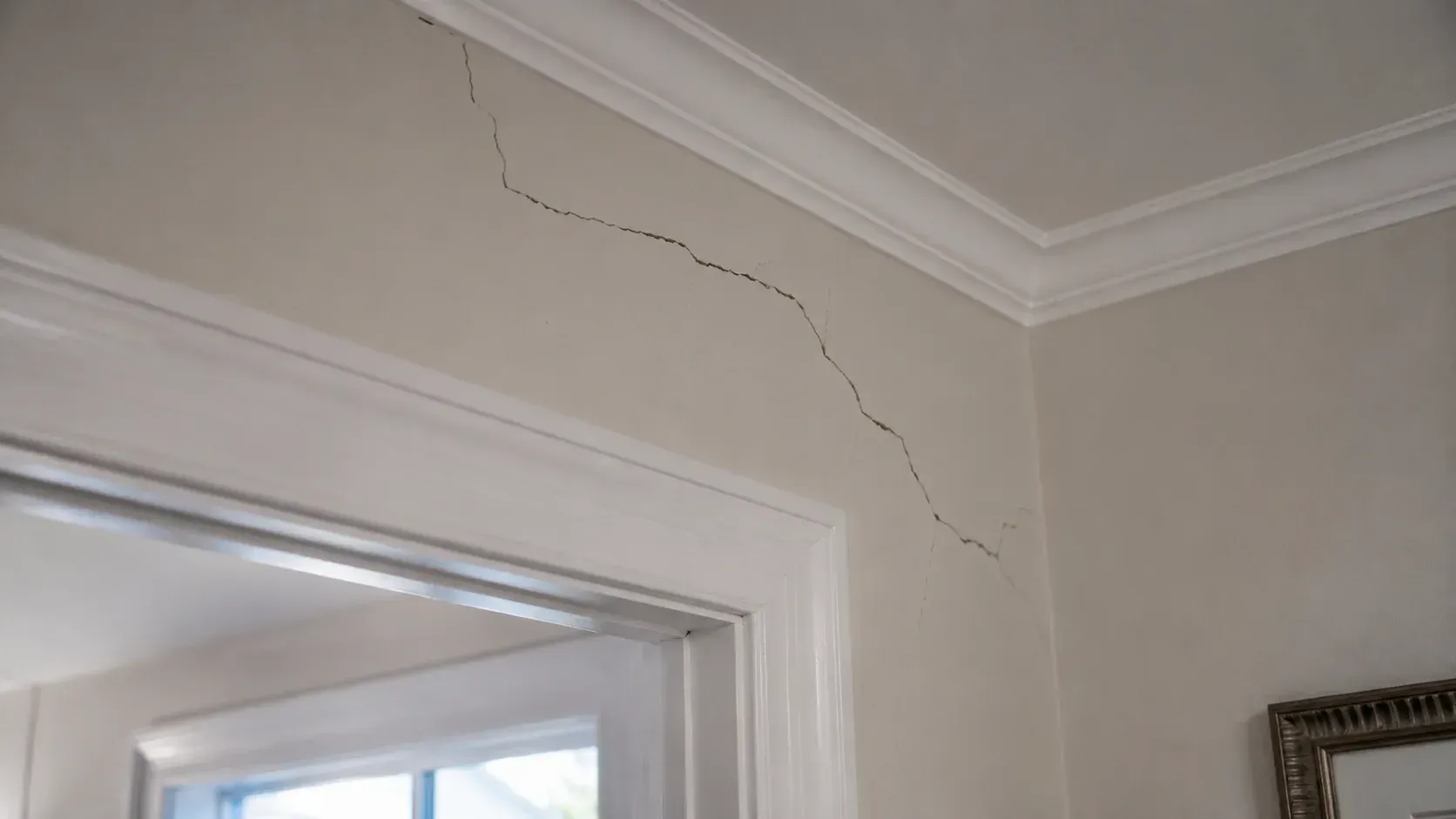
For example, wood can absorb moisture and swell. If moisture becomes trapped underneath the paint, the wood can eventually crack or experience other damage.
What Happens When Humidity Is Too High?
Painting during excessively humid conditions can create several challenges:
- Longer drying times
- Moisture becoming trapped beneath paint
- Difficulty achieving a consistent finish
- Wood swelling
- Potential cracking or deterioration
- Greater difficulty painting certain metal surfaces
This doesn't mean every humid day automatically prevents painting. Instead, environmental conditions should be evaluated alongside the surface, paint product, and manufacturer's recommendations.
For homeowners in Pensacola and surrounding areas, paying attention to humidity is particularly important when planning an exterior project.
How Does Temperature Affect Paint?
Temperature influences how quickly water and other components evaporate from paint.
This is especially relevant for latex, acrylic, and oil-based paints, each of which can respond differently to environmental conditions.
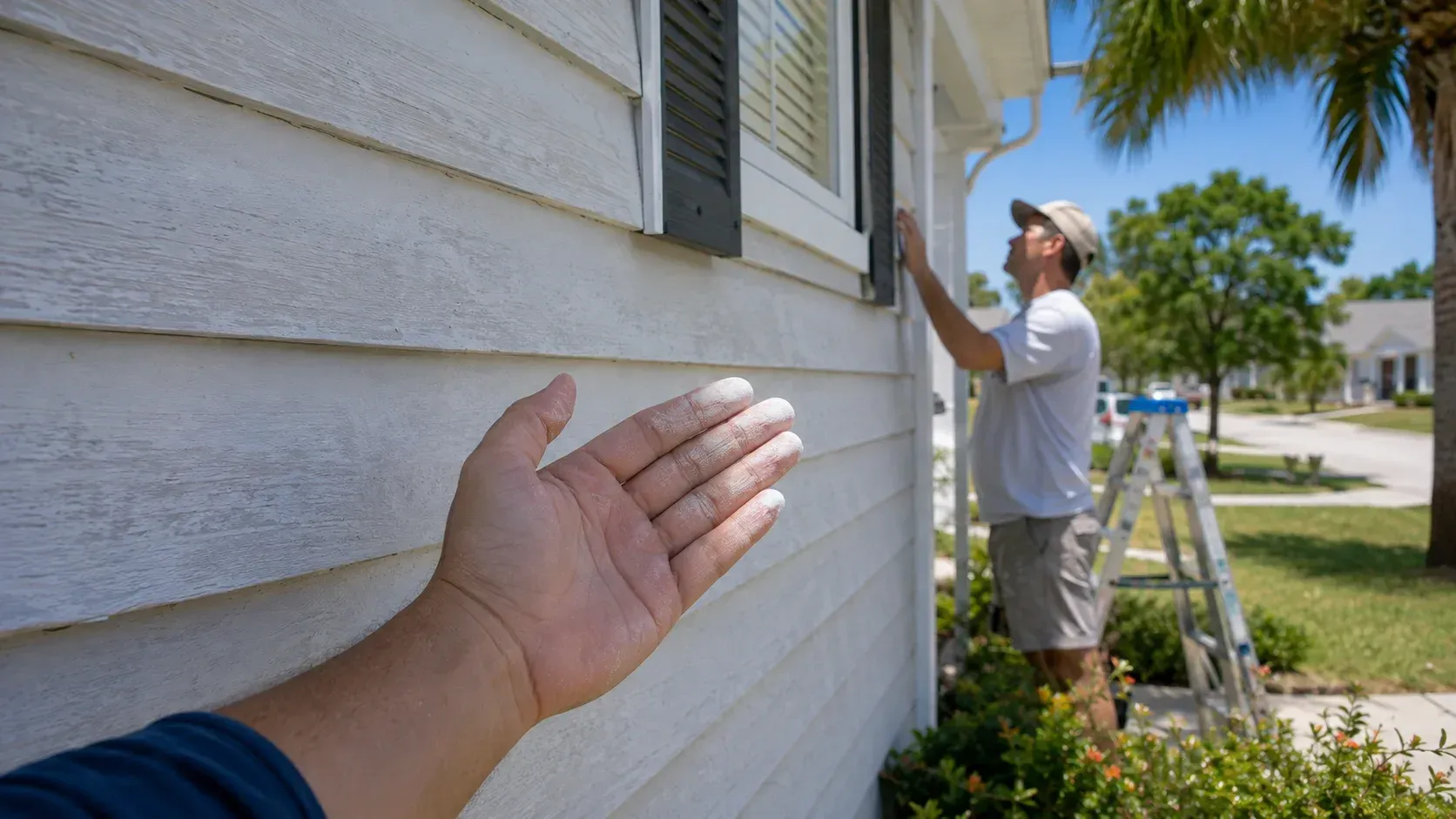
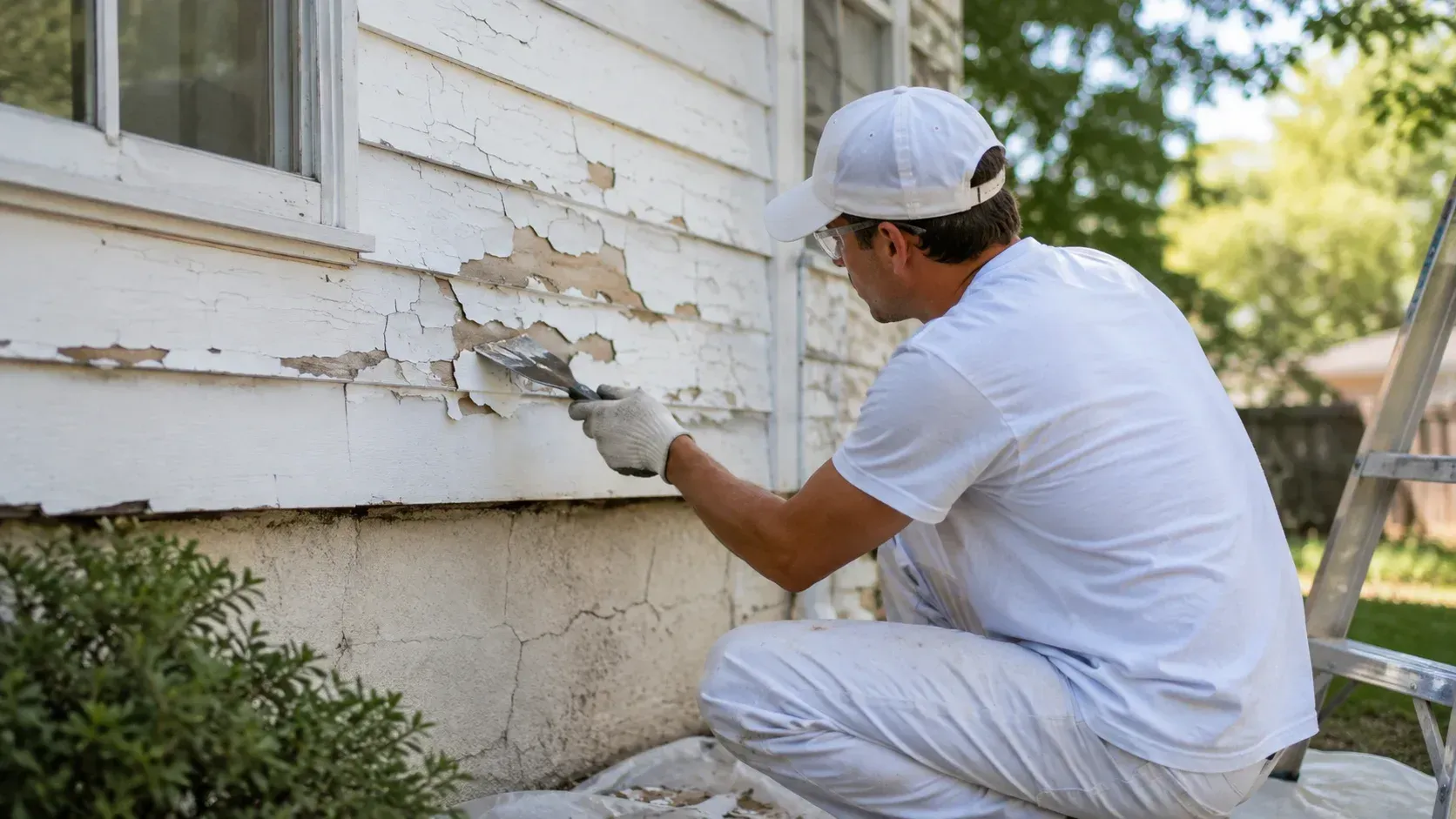
If paint doesn't dry at an appropriate rate, it may have difficulty adhering to the surface. Poor adhesion can eventually contribute to peeling or flaking.
Temperature therefore isn't simply about whether the day feels comfortable. The temperature of the air, surface, and materials can all influence how a coating behaves during application and drying.
How Do Humidity and Temperature Affect Different Materials?
The environmental conditions don't affect every surface in exactly the same way.
Wood
Wood can absorb moisture from humid air, causing it to swell. If moisture collects beneath a coating, the movement of the wood can contribute to cracking or other damage.
Before painting wood, it is important to consider whether the material is sufficiently dry and prepared for coating.
Metal
Metal can also present challenges when moisture levels are high. Painting metal on a drier day may help avoid some of the problems associated with moisture during application.
Proper preparation is also important because the condition of the existing surface can affect how well the new coating adheres.
Paint
Paint itself responds to both temperature and humidity. Drying occurs as moisture and solvents evaporate from the coating, and environmental conditions can change the rate of that process.
For this reason, the recommended application conditions provided by the paint manufacturer should always be considered before beginning work.
What Weather Conditions Are Better for Exterior Painting?
Rather than focusing on a single factor, evaluate the overall conditions before starting.
Look at:
Humidity
The source material identifies 40% to 50% relative humidity as the best range for exterior painting. Higher humidity may still be workable depending on the circumstances and appropriate precautions.
Temperature
Make sure temperatures are suitable for the specific paint being used. Different products have different application requirements.
Surface Moisture
Even when the air temperature looks favorable, the surface itself may still contain moisture. A wet or damp surface can interfere with adhesion.
Forecast
Look beyond the current conditions. Paint needs adequate time to dry after application, so upcoming rain or significant weather changes should be considered when scheduling exterior work.
How Can You Prepare Before Painting?
Good environmental conditions are only part of a successful painting project. Surface preparation also matters.
Before painting, consider:
- Cleaning dirt and contaminants from the surface
- Allowing wet surfaces to dry completely
- Repairing damaged areas
- Removing loose or failing paint
- Selecting paint appropriate for the surface
- Following the manufacturer's temperature and humidity recommendations
- Planning around the weather forecast
For exterior projects, professional pressure washing services can help remove accumulated dirt and other contaminants before painting when the surface is appropriate for pressure washing.
Proper preparation gives the new coating a cleaner, more stable surface to adhere to.
Get Professional Help With Your Painting Project
Humidity and temperature shouldn't be afterthoughts when planning a painting project. Evaluating moisture, temperature, surface condition, and the product being used can help reduce avoidable problems and produce a better-looking finish.
If you're planning an interior or exterior painting project in Pensacola, FL, contact Fresh Start Painting Inc. to discuss your project and get professional assistance with preparation and painting.
Frequently Asked Questions
What humidity is best for exterior painting?
The source material identifies 40% to 50% relative humidity as the best range for exterior painting. Painting may still be possible at higher humidity levels depending on the conditions and precautions taken.
Can you paint when humidity is high?
It may be possible, but high humidity can slow drying and create challenges with adhesion and the finished appearance. The specific paint manufacturer's recommendations should be followed.
Does humidity make paint take longer to dry?
Yes. Higher humidity can slow moisture evaporation, which can extend the time needed for paint to dry.
Does temperature affect paint adhesion?
Yes. Temperature affects how quickly moisture evaporates from paint. If the coating doesn't dry appropriately, it can have difficulty adhering to the surface and may eventually peel or flake.
How does humidity affect wood before painting?
High humidity can cause wood to absorb moisture and swell. Moisture beneath paint can contribute to cracking or other deterioration.
Related Posts