How Often Should You Repaint Your Home’s Exterior?
Table of Contents
- Introduction
- How Often Should You Repaint Your Home’s Exterior?
- Does Siding Material Affect Repainting Frequency?
- How Does Paint Quality Affect Exterior Paint Life?
- How Does Pensacola Weather Affect Exterior Paint?
- What Signs Mean Your Home Needs Repainting?
- How Can You Make Exterior Paint Last Longer?
- When Is the Best Time to Repaint a Home in Pensacola?
- Why Does Surface Preparation Matter?
- When Should You Call a Professional Painter?
- Give Your Pensacola Home a Fresh Start
- Frequently Asked Questions
Key Takeaways
- Most Pensacola homes should be evaluated for repainting every 4 to 7 years, though individual conditions vary.
- Siding material is one of the biggest factors affecting how long exterior paint lasts.
- Florida sun, humidity, rain, and coastal conditions can accelerate paint deterioration.
- Peeling, cracking, fading, chalking, bubbling, and mildew are signs that your exterior may need attention.
- Proper cleaning, repairs, preparation, and quality paint can help extend the life of an exterior finish.
- A professional assessment can determine whether your home needs repainting, maintenance, or repairs first.
Introduction
Most homes in Pensacola, FL should be evaluated for exterior repainting about every 4 to 7 years, although the right schedule depends on the siding material, paint quality, sun exposure, humidity, salt air, and the condition of the existing coating. Fresh Start Painting Inc. provides exterior painting services to help Pensacola homeowners protect and refresh their homes.
A repainting schedule is not one-size-fits-all. Some exterior surfaces can hold a coating for many years, while wood and homes exposed to intense Florida weather may need more frequent attention. Knowing what affects paint longevity can help you avoid repainting too early—or waiting until deteriorating paint exposes the underlying surface.
How Often Should You Repaint Your Home’s Exterior?
A general starting point is to inspect your home's exterior every few years and consider repainting when the coating begins showing significant deterioration. The original source recommends a broader 5- to 10-year guideline, but Pensacola's climate and individual property conditions can make the practical interval shorter.
Fresh Start Painting Inc.'s current Pensacola guidance similarly recommends evaluating many homes around the 4- to 7-year range because humidity, salt air, UV exposure, and seasonal weather can shorten exterior paint life.
The important point is that the condition of your exterior matters more than the calendar alone.
Does Siding Material Affect Repainting Frequency?
Yes. Different exterior materials hold paint differently and require different maintenance schedules.
Wood Siding
Wood typically requires more frequent maintenance because it is more susceptible to moisture and weather exposure. The original guidance estimates roughly 3 to 7 years between paint jobs for wood exteriors, depending on conditions.
In Pensacola's climate, homeowners should inspect wood siding regularly for peeling, cracking, rot, or exposed areas.
Stucco
Stucco can maintain its finish for several years when properly prepared and maintained. Cracks, moisture problems, and other surface issues should be addressed before repainting.
Aluminum Siding
The original article notes that aluminum siding can generally hold paint for around five years with proper maintenance.
Brick
Painted brick can potentially retain its coating much longer than some other materials. The original source notes that painted brick can last up to 20 years, although the actual lifespan depends heavily on the condition of the masonry and coating.
Because every home's exterior is different, a professional evaluation is useful when you're unsure whether the existing coating still has useful life.
How Does Paint Quality Affect Exterior Paint Life?
The quality and type of paint can influence how long your exterior finish performs.
The original guidance recommends considering factors such as:
- Paint type
- Number of coats
- Color
- Existing coating condition
- Weather conditions during the previous application
For current exterior projects, the paint should also be selected according to the surface and environmental conditions. Fresh Start Painting Inc.'s current guidance notes that Pensacola homes benefit from coatings suited to strong sun, humidity, moisture, and coastal exposure.
However, even premium paint will not perform well if it is applied over a dirty, damaged, damp, or poorly prepared surface.
How Does Pensacola Weather Affect Exterior Paint?
Pensacola's climate is an important consideration when determining how often a home needs repainting.
Intense Sun
UV exposure can gradually fade exterior colors and contribute to coating deterioration. Homes receiving substantial direct sunlight may show signs of fading sooner.
Humidity
High humidity keeps exterior surfaces exposed to moisture and can encourage mold and mildew growth. Moisture can also contribute to peeling and other paint failures.
Rain and Storms
Frequent rain and seasonal storms repeatedly expose exterior surfaces to water. Existing cracks, gaps, or damaged areas can become more problematic when moisture gets behind the coating.
Coastal Exposure
Salt-laden air can contribute to wear on homes closer to the coast. Fresh Start Painting Inc. notes that Pensacola-area coastal properties can experience additional challenges from salt, humidity, and intense sun.
This means a home near the water may need more frequent inspection than a similar home with less exposure.
What Signs Mean Your Home Needs Repainting?
You don't necessarily need to repaint just because several years have passed. Instead, look for visible signs that the existing coating is no longer performing well.
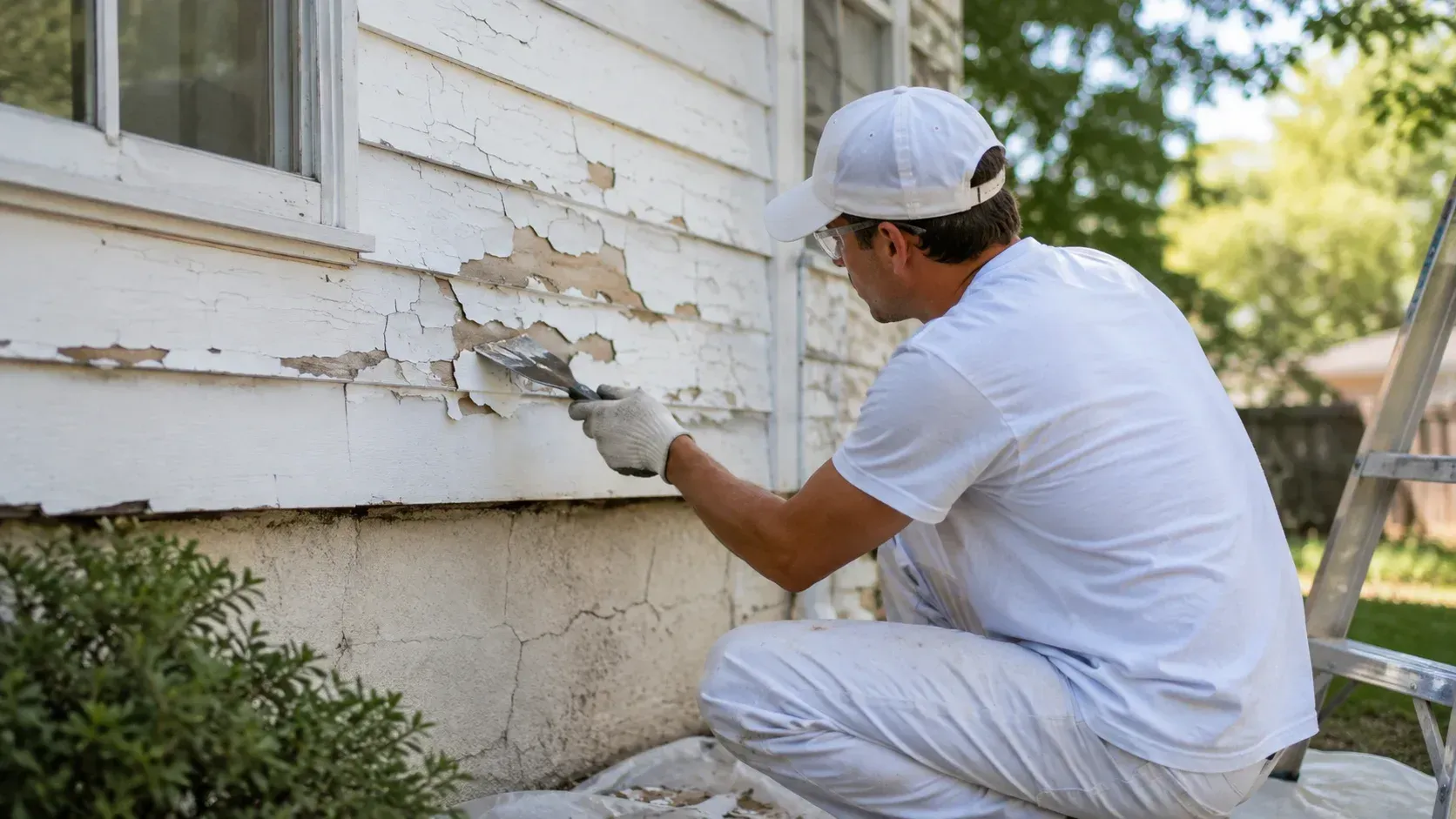
Peeling Paint
Peeling indicates that the existing coating has lost adhesion or that an underlying moisture or surface problem may exist.
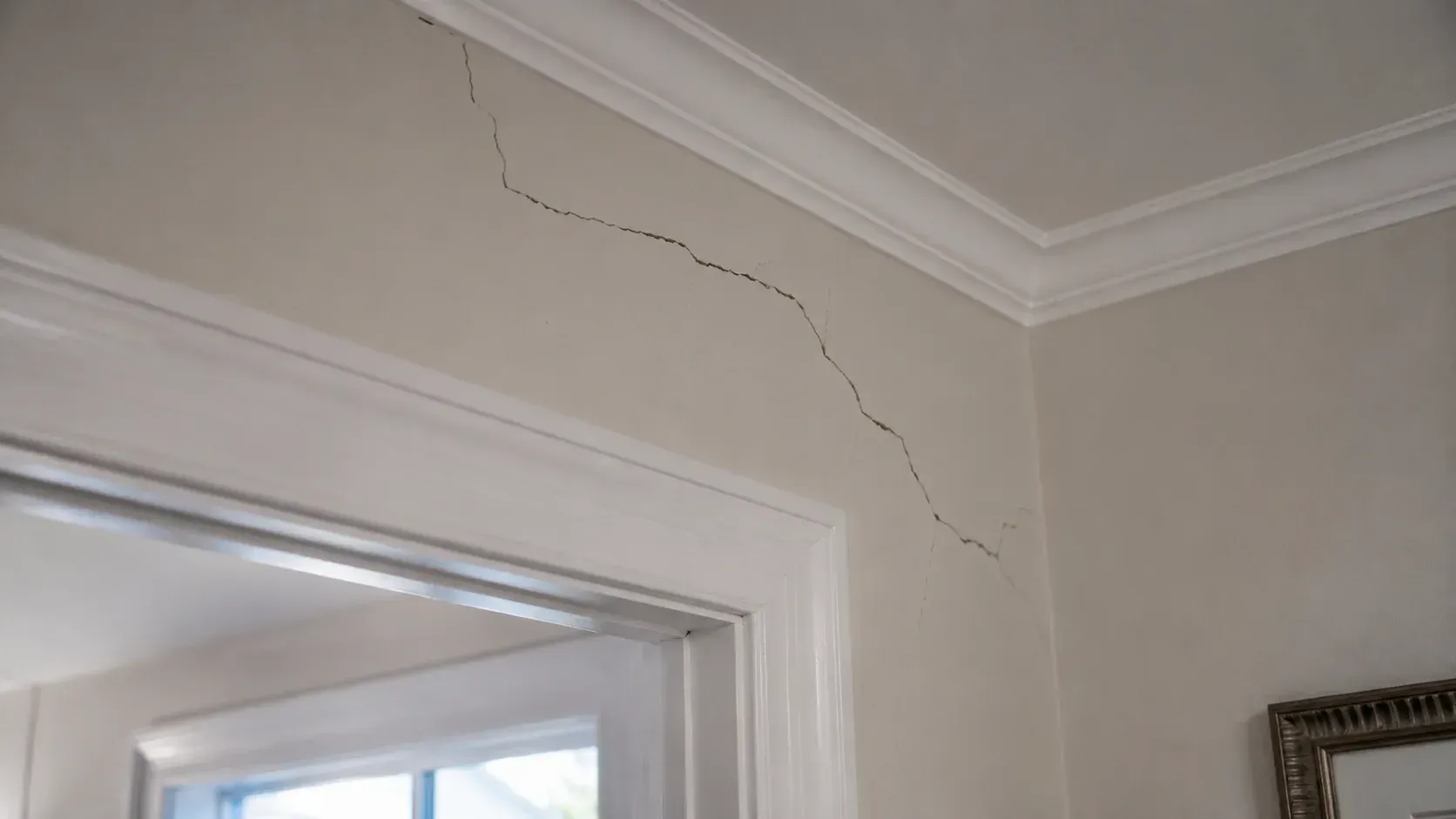
Cracking
Cracks can allow moisture to reach the material beneath the paint. They should be evaluated rather than simply covered.
Fading
Significant fading can make the home look worn and may indicate that the coating has experienced substantial UV exposure.
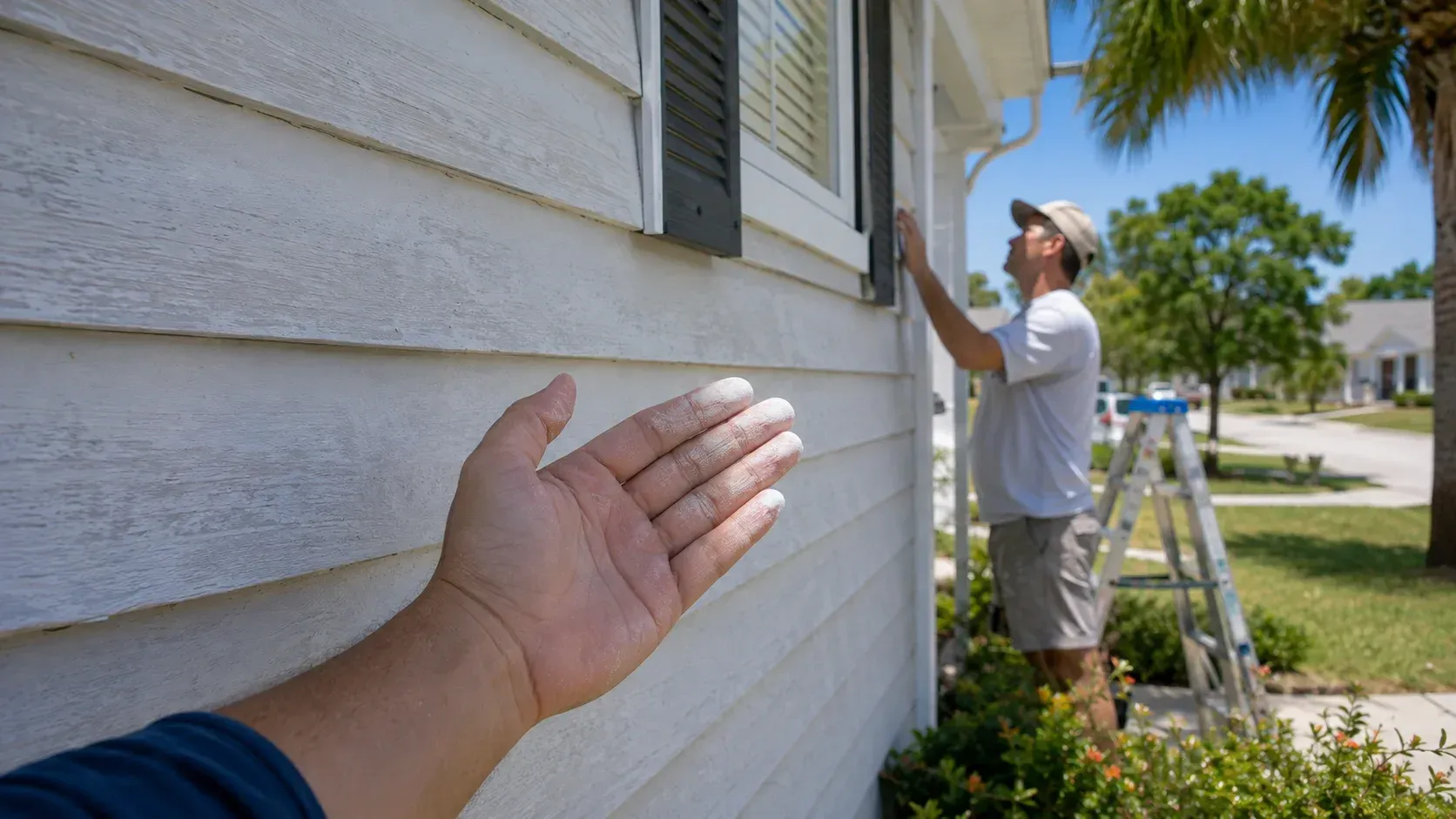
Chalking
A chalky residue on the surface can indicate deterioration of the coating.
Bubbling or Blistering
Bubbling can be associated with moisture, heat, or adhesion problems. The cause should be addressed before repainting.
Mold or Mildew
Mildew growth is particularly relevant in humid environments. The surface should be properly cleaned and the underlying moisture conditions considered before applying new paint.
Exposed or Deteriorating Material
If paint failure has exposed wood or another underlying material, waiting too long to address it can allow the damage to progress.
How Can You Make Exterior Paint Last Longer?
Regular maintenance can help extend the useful life of your exterior finish.
Keep Exterior Surfaces Clean
Removing dirt, mildew, and other buildup helps keep the surface in better condition. Fresh Start Painting Inc. provides pressure washing services that can also be used as preparation before painting.
Inspect Your Home Regularly
Walk around your home periodically and check for peeling, fading, cracks, mildew, damaged caulk, and exposed areas.
Address Moisture Problems
If water is getting behind the paint, repainting alone will not solve the problem. Identify and address the source of moisture first.
Repair Damaged Surfaces
Rotten wood, damaged siding, cracks, and deteriorated trim should be repaired before new paint is applied.
Use the Right Paint
Select an exterior coating appropriate for the specific surface and local conditions.
When Is the Best Time to Repaint a Home in Pensacola?
Exterior painting requires suitable temperature, humidity, and precipitation conditions so the coating can properly dry and cure.
For Pensacola homeowners, milder periods with lower humidity and a favorable weather forecast are generally preferable. Current Fresh Start Painting guidance recommends paying attention to temperature, humidity, wind, and the likelihood of rain when scheduling exterior painting.
Summer painting is possible, but Florida's heat, humidity, and afternoon storms can make scheduling more challenging.
A professional painting contractor can monitor conditions and adjust the schedule when necessary.
Why Does Surface Preparation Matter?
Proper preparation is one of the biggest factors in how well a new paint job performs.
Before painting, the exterior may need:
- Pressure washing
- Scraping loose paint
- Sanding
- Surface repairs
- Caulking
- Priming
- Drying time
Fresh Start Painting Inc. specifically emphasizes cleaning and repairing exterior surfaces before applying paint or primer.
Painting directly over dirt, mildew, loose paint, or damaged material can lead to premature failure. A properly prepared surface gives the new coating a much better foundation.
When Should You Call a Professional Painter?
Consider getting a professional assessment when:
- You aren't sure whether your home needs repainting.
- Large areas of paint are peeling.
- You notice cracks, bubbling, or moisture damage.
- The siding or trim needs repairs before painting.
- Your home has significant mildew or staining.
- You want to change the exterior color.
- You need help choosing an appropriate coating.
- You want the project completed with professional preparation and application.
Fresh Start Painting Inc. is a licensed and insured Florida painting contractor that provides residential and commercial painting in Pensacola, North Pensacola, Brent, and surrounding areas.
Give Your Pensacola Home a Fresh Start
If your home's exterior is faded, peeling, chalking, or showing signs of weather-related wear, Fresh Start Painting Inc. can help you determine whether it's time for a new exterior paint job. Our team handles the preparation and painting needed to refresh and protect residential and commercial properties throughout the Pensacola area.
Call
(850) 346-8319 for a free estimate, or contact Fresh Start Painting Inc. to discuss your project. The company serves Pensacola, North Pensacola, Brent, and surrounding communities.
Frequently Asked Questions
How often should I repaint my house exterior in Pensacola, FL?
Many Pensacola homes should be evaluated for repainting every 4 to 7 years, but the actual schedule depends on siding material, paint quality, preparation, sun exposure, humidity, coastal conditions, and the condition of the existing finish.
Can exterior paint last longer than seven years?
Yes. Some materials and well-maintained paint systems can last longer, particularly when the home has favorable exposure and the original surface was properly prepared. The condition of the paint is more important than a fixed deadline.
What is the biggest factor in determining when to repaint?
Siding material is one major factor, but climate, paint quality, preparation, exposure, and maintenance also affect longevity.
Does Florida's humidity make exterior paint wear faster?
It can. Humidity increases moisture exposure and can contribute to mildew and other forms of deterioration, particularly when combined with rain and inadequate surface preparation.
Should I repaint if my house is only faded?
Not necessarily. Fading may indicate that the coating is aging, but the overall condition of the surface should be evaluated. Cleaning and maintenance may be appropriate in some cases, while significant fading combined with other deterioration may indicate that repainting is due.
Related Posts