The Ultimate Guide to Prepping Your Home for Painting
Table of Contents
- Why Proper Preparation Matters
- Clear and Protect the Work Area
- Inspect the Walls and Surfaces
- Repair Damage Before Painting
- Clean the Surfaces Thoroughly
- Protect Trim, Floors, and Fixtures
- When Should You Use a Primer?
- Choosing the Right Paint and Tools
- Preparing Exterior Surfaces
- Why Professional Preparation Makes a Difference
- Final Pre-Painting Checklist
- Get Your Home Ready for a Professional Paint Job
- Frequently Asked Questions
Key Takeaways
- Clear furniture, decorations, and other belongings before painting begins.
- Clean walls and exterior surfaces so paint can properly adhere.
- Repair cracks, holes, damaged drywall, wood, and other imperfections before painting.
- Protect floors, fixtures, trim, landscaping, and other areas that should not receive paint.
- Use primer when the surface or existing finish requires it.
- Proper preparation can help prevent peeling, bubbling, uneven coverage, and other finish problems.
- Professional preparation can make the painting process more efficient and produce a cleaner result.
Introduction
Preparing your home before painting is essential for achieving a smooth, clean, and long-lasting finish, because even high-quality paint cannot hide dirt, cracks, damaged surfaces, or poor preparation. Whether you are refreshing a single room or planning a complete interior or exterior makeover, taking care of the surface before the first coat goes on can make a major difference in the final result. Fresh Start Painting Inc. treats preparation as an important part of the painting process, including cleaning, repairs, and other surface work before paint or primer is applied.
Why Proper Preparation Matters
Painting is more than putting a new color on a wall. The condition of the surface underneath affects how well the paint adheres and how the finished surface looks.
Dirt, grease, dust, peeling paint, cracks, holes, and moisture-related problems can all interfere with the finished result. A surface that has not been properly prepared may develop visible imperfections or experience problems such as peeling and uneven coverage.
That is why preparation should be treated as part of the painting project rather than an optional extra. Fresh Start Painting Inc. specifically emphasizes cleaning, repairs, and general preparation before applying paint or primer.
For homeowners planning an interior project, professional interior painting in Pensacola can also include preparation for walls, ceilings, trim, cabinets, doors, and other interior surfaces.
Clear and Protect the Work Area
Before painting begins, remove as much furniture and décor from the work area as possible. Smaller items should be taken out of the room, while larger furniture can be moved toward the center and covered securely if it cannot be removed.
Pay attention to:
- Furniture
- Wall decorations
- Lamps and electronics
- Area rugs
- Curtains
- Plants
- Decorative accessories
- Children's toys and other loose items
Creating an open work area gives painters more room to move and reduces the chance of accidentally getting paint on belongings.
It also makes preparation easier because walls, trim, corners, and other surfaces can be accessed without constantly working around obstacles.
Inspect the Walls and Surfaces
Once the space is clear, inspect the surfaces that will be painted.
Look for:
- Nail holes
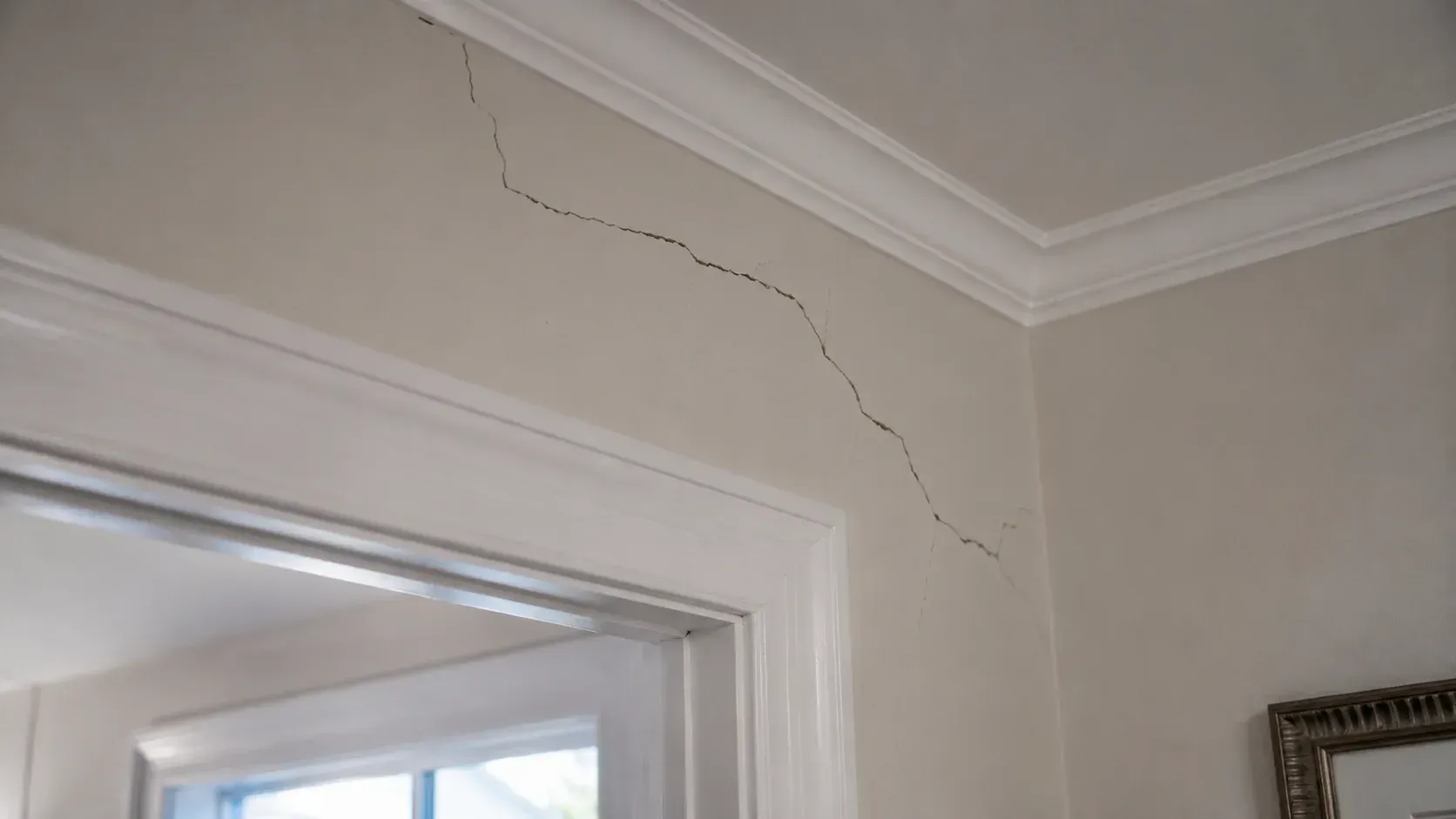
- Cracks
- Dents
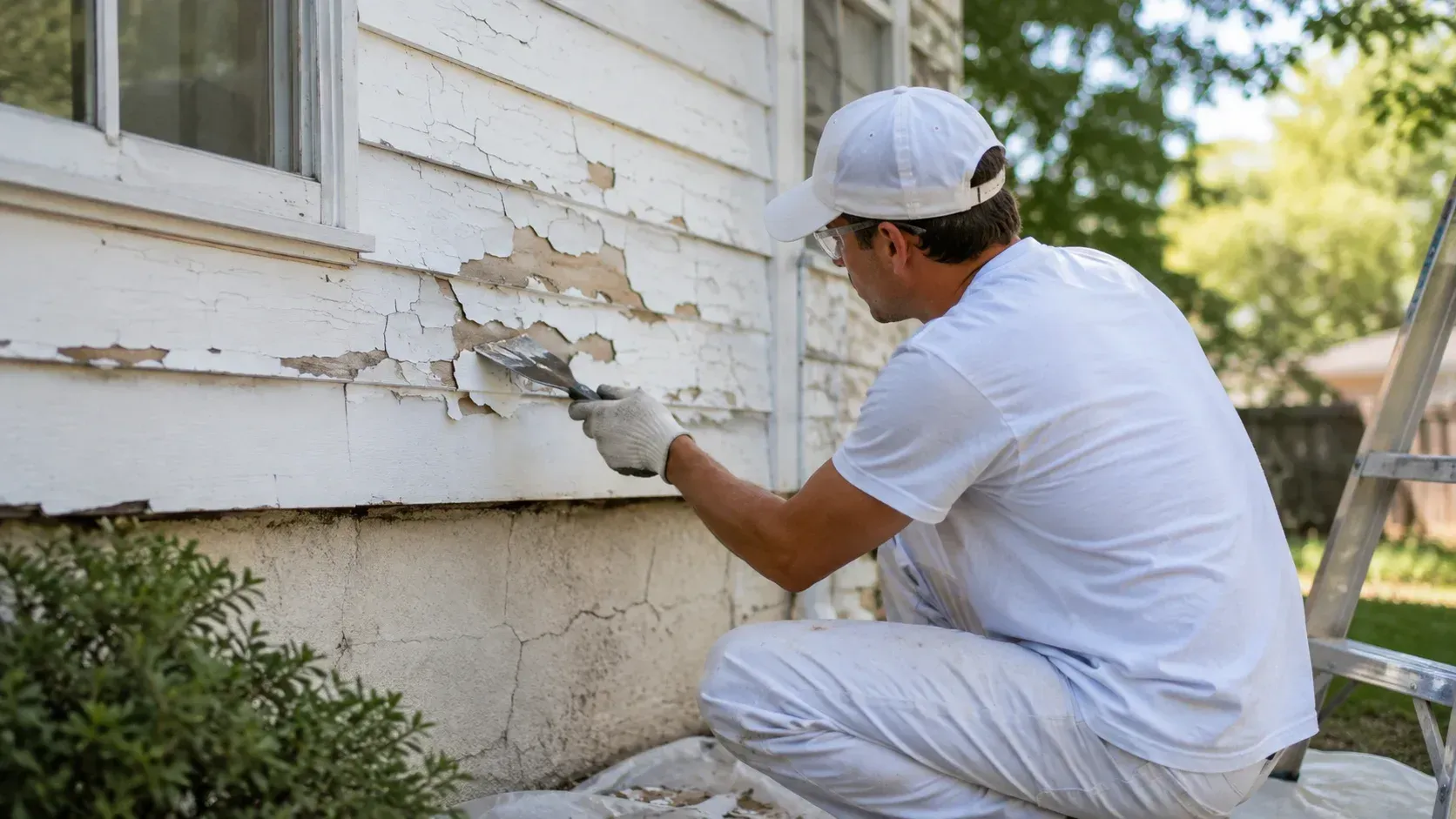
- Peeling or flaking paint
- Water stains
- Damaged drywall
- Loose caulk
- Grease or heavy buildup
- Uneven areas
- Signs of moisture damage
Do not assume a new coat of paint will automatically cover these problems. Paint can improve the appearance of a surface, but it is not a substitute for repairing significant damage beforehand.
Taking time to identify these issues also helps determine what preparation materials and repairs may be needed.
Repair Damage Before Painting
Small imperfections should generally be repaired before painting. Depending on the condition of the surface, preparation may include filling holes, repairing drywall, replacing damaged material, sanding rough areas, or addressing damaged trim.
For example, a wall with dents or holes may require patching and sanding before primer or paint is applied. Larger drywall problems may require more extensive repair.
Fresh Start Painting Inc. provides drywall repair and other preparation services, helping prepare surfaces before the painting stage begins.
The goal is simple: create a sound, clean, and reasonably smooth surface before applying the finish.
Clean the Surfaces Thoroughly
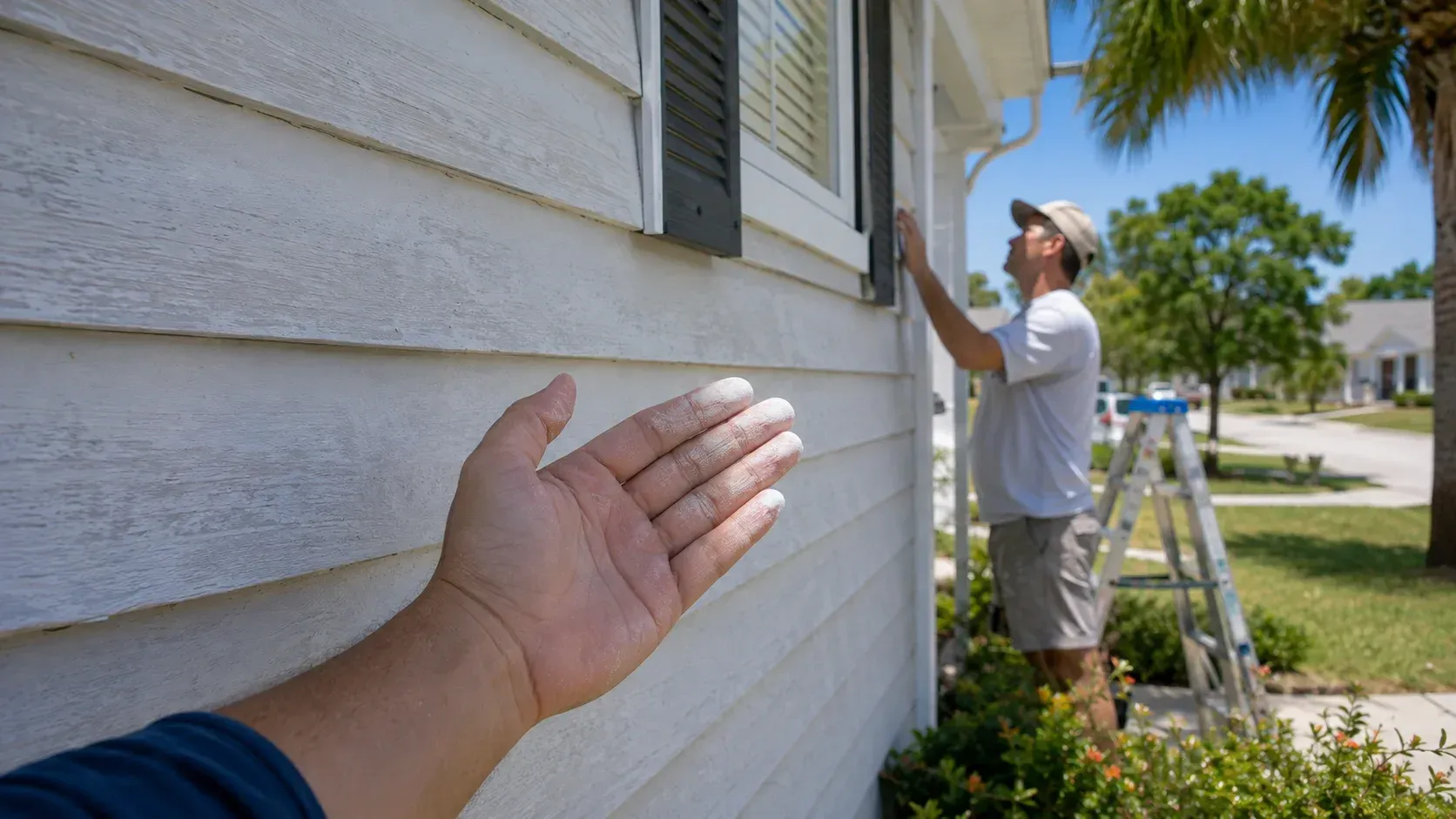
Clean surfaces are especially important because dust, dirt, grease, mildew, and other contaminants can interfere with paint adhesion.
For interior walls, cleaning methods should be appropriate for the existing surface and paint. Avoid soaking drywall unnecessarily, and allow surfaces to dry completely after cleaning.
Exterior surfaces often require more substantial cleaning. Dirt, mildew, algae, loose paint, and other buildup can accumulate on siding, concrete, decks, and other outdoor surfaces.
For these projects, professional pressure washing before painting can help remove embedded debris, loose paint, stains, mildew, and other contaminants from appropriate exterior surfaces.
The important point is that cleaning should prepare the surface rather than damage it.
Protect Trim, Floors, and Fixtures
Even experienced painters need to protect areas that are not being painted.
Use appropriate coverings for:
- Floors
- Countertops
- Cabinets
- Light fixtures
- Electrical outlets
- Doors
- Windows
- Baseboards
- Hardware
- Furniture
Painter's tape can help create clean boundaries around trim and other surfaces, but proper application matters. Press the tape firmly along the edge to reduce the chance of paint bleeding underneath.
For exterior work, preparation may also involve protecting landscaping, outdoor fixtures, windows, doors, and other areas surrounding the work zone.
When Should You Use a Primer?
Primer is not necessarily required for every painting project, but it can be useful when the surface needs additional coverage, adhesion, or stain blocking.
Primer may be appropriate when:
- You are painting over a significantly different color.
- The surface is porous.
- Repairs have created areas with different textures or absorption.
- Stains need to be sealed.
- The existing surface requires additional adhesion.
- A specialized substrate needs a suitable base coat.
The right primer depends on the surface and the condition of the existing finish. Choosing products based on the actual preparation requirements can help create a more consistent base for the final paint.
Choosing the Right Paint and Tools
Preparation does not end with cleaning and repairs. The paint and tools you choose also affect the application.
Consider:
- The type of surface being painted
- Interior or exterior use
- Existing finish
- Desired sheen
- Expected wear
- Local environmental conditions
- Brush and roller quality
- Application method
For interior projects, the right finish can vary depending on whether you are painting walls, ceilings, trim, cabinets, or other surfaces. Fresh Start Painting Inc.'s interior painting services cover a variety of these surfaces, including walls, ceilings, trim, cabinets, doors, and other interior features.
Preparing Exterior Surfaces
Exterior preparation deserves special attention because outdoor surfaces are exposed to sun, rain, humidity, dirt, mildew, and other environmental conditions.
Before exterior painting, inspect siding, trim, decks, railings, doors, windows, stucco, and other surfaces for damage or deterioration.
Depending on the material, preparation may include:
- Pressure washing
- Removing loose paint
- Repairing damaged wood
- Replacing deteriorated sections
- Cleaning mildew
- Making minor carpentry repairs
- Priming appropriate surfaces
- Caulking gaps where necessary
Fresh Start Painting Inc. offers exterior painting services in Pensacola for surfaces including siding, stucco, concrete, decks, railings, doors, windows, fences, and other exterior features.
Proper preparation is particularly important for exterior projects because the finished coating needs to withstand the conditions surrounding the property.
Why Professional Preparation Makes a Difference
Preparing a home for painting can look straightforward, but identifying what needs to be repaired, cleaned, protected, or primed requires attention to detail.
Professional preparation can help by:
- Identifying surface problems before painting begins
- Selecting appropriate cleaning methods
- Addressing drywall or exterior repairs
- Preparing surfaces for better paint adhesion
- Protecting surrounding areas
- Reducing unnecessary delays during the project
- Creating a cleaner foundation for the final finish
Fresh Start Painting Inc. describes preparation as a core part of its painting process, with services that include cleaning, repairs, drywall work, pressure washing, and other preparation tasks.
Final Pre-Painting Checklist
Before the first coat of paint is applied, walk through the project one more time.
Interior Checklist
- Furniture and belongings are moved or covered.
- Floors are protected.
- Walls have been inspected.
- Holes and cracks have been repaired.
- Surfaces have been cleaned.
- Damaged drywall has been addressed.
- Trim and fixtures are protected.
- Primer has been applied where appropriate.
- Paint and tools are ready.
Exterior Checklist
- Exterior surfaces have been inspected.
- Dirt, mildew, and loose debris have been removed.
- Damaged areas have been repaired.
- Landscaping and nearby features are protected.
- Loose or peeling paint has been addressed.
- Appropriate primer has been used where needed.
- The surface is clean and dry before painting.
Completing these steps before painting begins can help prevent avoidable problems and give the final coat a better foundation.
Get Your Home Ready for a Professional Paint Job
A successful painting project starts before the paint is opened. Proper cleaning, repairs, protection, and surface preparation can help your new color look better and perform as expected.
If you would rather leave the preparation and painting to an experienced team, Fresh Start Painting Inc. provides residential and commercial painting, surface preparation, drywall repair, pressure washing, and related services throughout Pensacola, North Pensacola, Brent, and surrounding areas.
Ready to prepare your home for its next transformation? Contact Fresh Start Painting Inc. for a free estimate and discuss your painting project with the team.
Frequently Asked Question
Do I need to prepare my walls before painting?
Yes. Cleaning the surface and repairing cracks, holes, peeling paint, and other imperfections can help create a better foundation for the new paint.
Should I pressure wash my house before exterior painting?
Pressure washing can be useful for appropriate exterior surfaces because it removes dirt, mildew, loose paint, stains, and other buildup. The correct pressure and technique should be used for the specific material.
Is primer always necessary before painting?
No. Primer is not required for every project. Whether it is appropriate depends on the existing surface, condition, color, repairs, and type of paint being applied.
How do I prepare my furniture before painters arrive?
Remove small and fragile items from the room and move larger furniture away from the walls when possible. Anything that remains should be properly covered and protected.
Can a professional painting company handle the preparation too?
Yes. Fresh Start Painting Inc. provides preparation services such as cleaning, drywall repair, pressure washing, and other surface work as part of its broader painting services.
Related Posts