What Makes Textured Paint Different From Standard Paint?
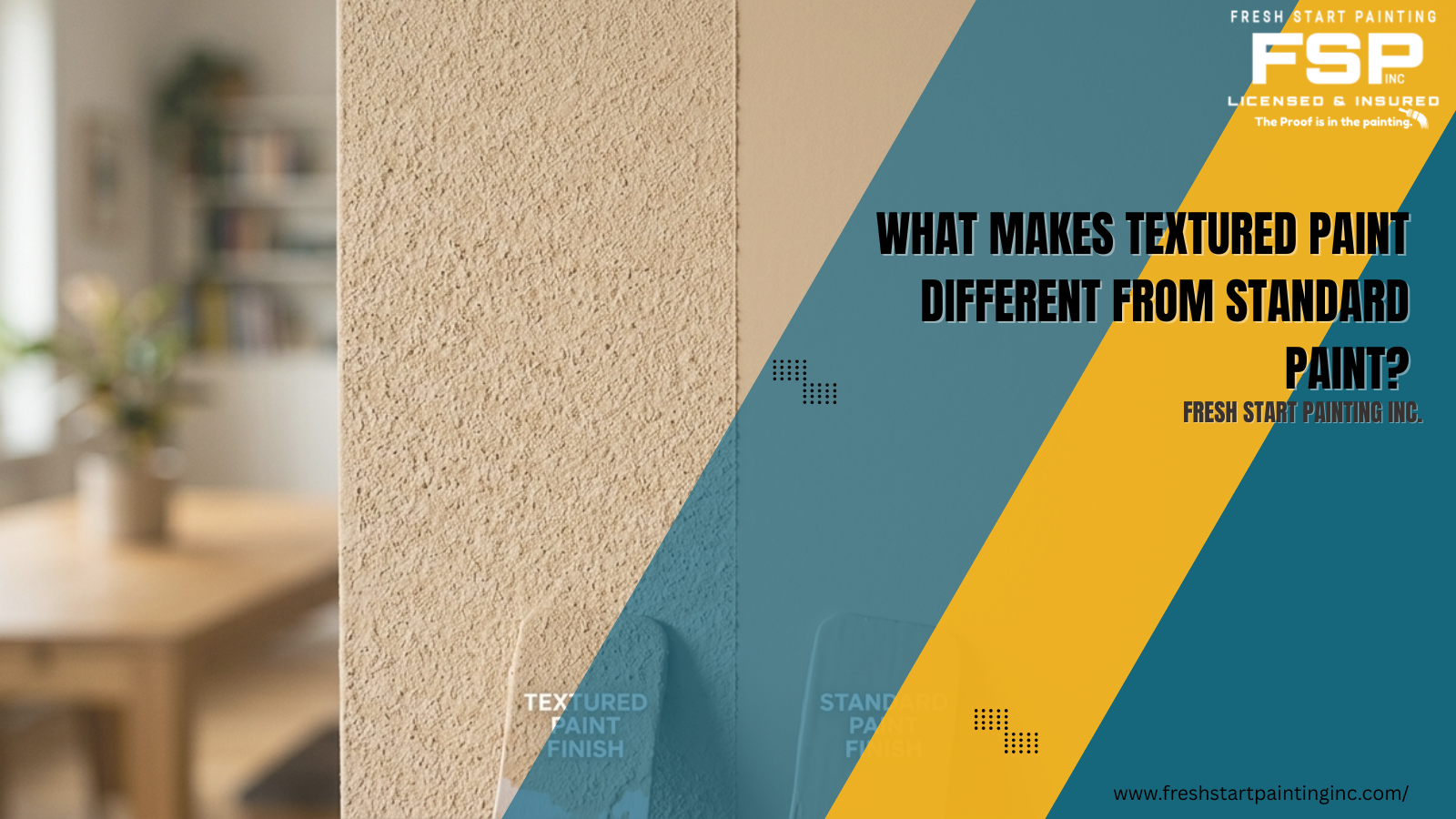
Table of Contents
- Introduction
- What Is Textured Paint
- What Is Standard Paint
- Key Differences Between Textured Paint and Standard Paint
- Types of Textured Paint Finishes
- Application Methods and Tools
- When to Use Textured Paint
- When Standard Paint May Be More Suitable
- Maintenance and Longevity Considerations
- Conclusion
- Book an Interior Painting Service
- Frequently Asked Questions
Key Takeaways
- Textured paint adds dimension and surface variation, while standard paint provides a smooth finish
- Different painting texture techniques can enhance design or conceal imperfections
- Application methods vary significantly between textured and standard finishes
- Painted wall texture can improve durability in high-traffic areas
- Choosing the right option depends on function, maintenance, and aesthetic goals
Introduction
Textured paint differs from standard paint primarily in its finish and function. While standard paint creates a smooth, even surface, textured paint introduces depth and variation through added materials or application techniques.
This distinction matters for homeowners and property owners because surface finish affects both appearance and performance. Whether addressing wall imperfections or exploring decorative options, understanding these differences helps support more informed decisions about interior painting projects in areas like Pensacola, FL.
What Is Textured Paint
Textured paint is a type of coating designed to create a raised or patterned surface on walls or ceilings. It often contains additives such as sand, silica, or other compounds that produce a tactile finish.
Unlike flat coatings, textured paint can be applied in ways that produce unique patterns. These patterns range from subtle to highly pronounced, depending on the technique used.
Common uses include:
- Covering minor wall imperfections
- Adding visual interest to large surfaces
- Creating decorative focal points
What Is Standard Paint
Standard paint refers to traditional interior coatings that result in a smooth and uniform finish. These paints are available in different sheens such as flat, eggshell, satin, semi-gloss, and gloss.
They are typically used for:
- Clean, modern aesthetics
- Easy color changes
- Straightforward maintenance
Standard paint does not alter the surface structure of the wall. Instead, it enhances color and finish without adding dimension.
Key Differences Between Textured Paint and Standard Paint
Surface Appearance
Textured paint creates depth and variation, while standard paint maintains a flat and even look.
Functionality
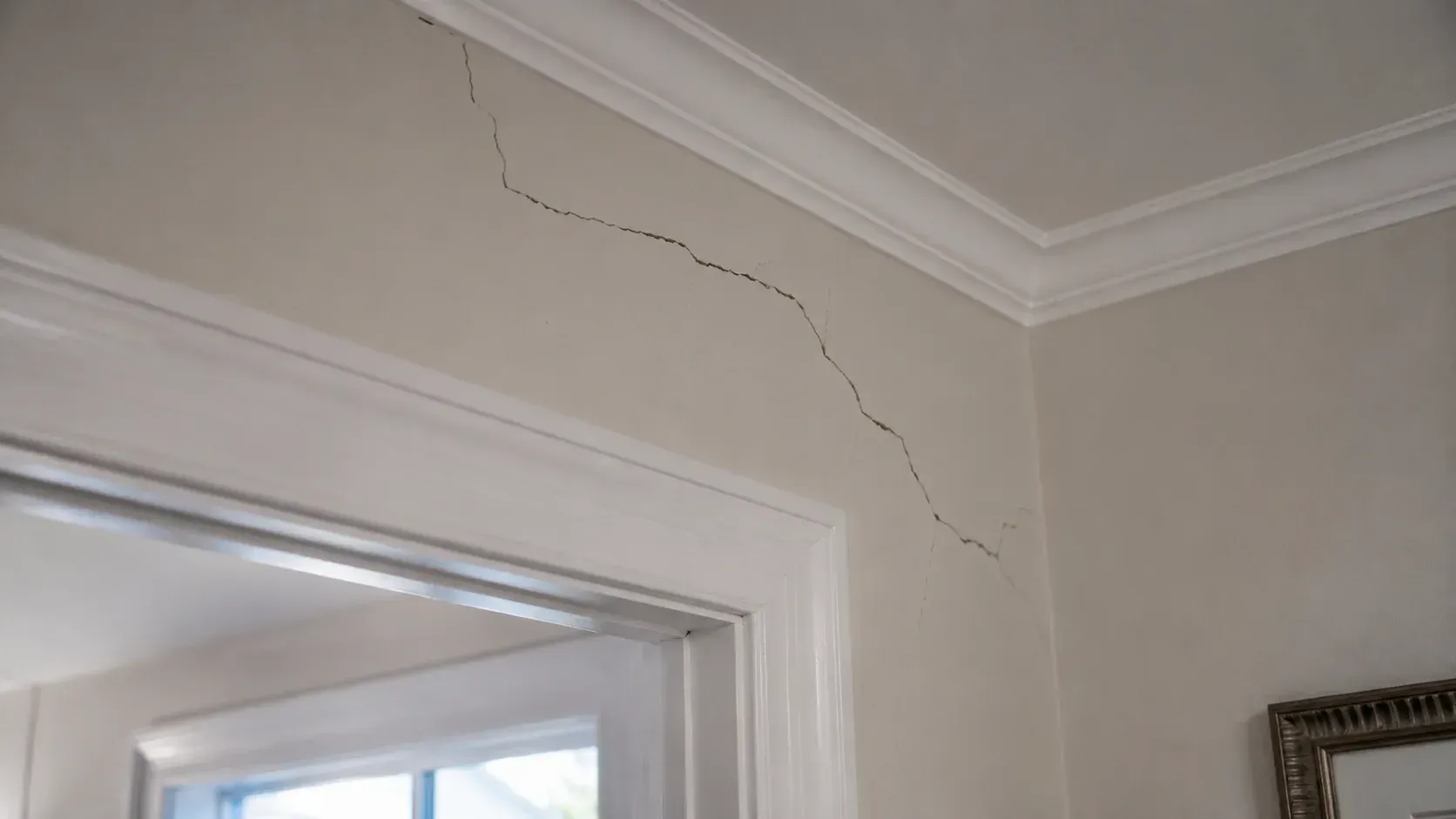
Textured finishes can help mask surface flaws such as cracks or uneven drywall. Standard paint requires a smoother base for best results.
Application Complexity
Applying textured paint often involves specialized tools and techniques. Standard paint is generally easier to apply using brushes or rollers.
Maintenance
Smooth surfaces are typically easier to clean. Textured surfaces may trap dust or require more effort during maintenance.
Design Flexibility
Textured paint offers more variation in terms of patterns. Standard paint relies primarily on color and sheen for visual impact.
Types of Textured Paint Finishes
There are several types of painted wall texture, each with distinct characteristics.
Knockdown Texture
This finish starts with a sprayed texture that is flattened slightly with a tool. It creates a soft, mottled look.
Orange Peel Texture
This subtle texture resembles the surface of an orange peel. It is commonly used in residential interiors.
Sand Texture
Fine sand is mixed into the paint to create a lightly rough surface. This type is often used for added grip or durability.
Popcorn Texture
Typically applied to ceilings, this texture has a thicker, more pronounced appearance.
Skip Trowel
This technique uses a trowel to create irregular patterns. It is often associated with Mediterranean-style interiors.
Application Methods and Tools
Applying textured paint requires different tools compared to standard painting.
Tools for Textured Paint
- Spray guns or hoppers
- Specialty rollers
- Trowels and knives
The technique used affects the final pattern. Consistency in application is important to achieve a uniform look.
Tools for Standard Paint
- Paint rollers
- Brushes
- Paint trays
Standard painting methods are generally more accessible and require less preparation.
When to Use Textured Paint
Textured paint may be suitable in the following situations:
Covering Imperfections
Walls with minor cracks or uneven surfaces can benefit from added texture.
High-Traffic Areas
Textured surfaces can help reduce the visibility of wear and tear over time.
Decorative Design
Certain styles benefit from added dimension and visual interest.
Ceilings
Textured finishes are often used to reduce glare and hide flaws in ceiling surfaces.
When Standard Paint May Be More Suitable
Standard paint may be a better choice in other scenarios:
Modern or Minimalist Interiors
Smooth finishes align with clean, simple design styles.
Frequent Color Changes
Standard paint is easier to repaint or update.
Easier Maintenance
Smooth walls are generally easier to wipe clean.
Smaller Spaces
Flat finishes can make rooms feel more open and less visually busy.
Maintenance and Longevity Considerations
Maintenance needs differ between textured and smooth finishes.
Textured paint may:
- Require more effort to clean
- Accumulate dust in raised areas
- Be harder to repair seamlessly
Standard paint typically:
- Allows easier touch-ups
- Supports regular cleaning
- Offers simpler repainting options
Longevity depends on factors such as surface preparation, environmental conditions, and application quality.
Conclusion
Textured paint and standard paint serve different purposes in interior design and maintenance. Textured paint introduces depth and can help conceal imperfections, while standard paint offers a clean and versatile finish.
Understanding these differences allows homeowners and property owners to evaluate their priorities, whether focused on appearance, durability, or ease of upkeep. Careful consideration of surface conditions and long-term maintenance can support more informed and practical decisions.
Book an Interior Painting Service
If you are considering interior painting and want to better understand whether textured paint or a smooth finish is appropriate for your space, Fresh Start Painting Inc provides guidance based on your specific needs and surface conditions.
Our goal is to help you make informed decisions about your property without pressure or assumptions about outcomes. Contact us at (850) 346-8319 or email freshstartpainting@att.net for informed, practical advice tailored to your space.
Frequently Asked Questions
1. What is the main purpose of textured paint?
Textured paint is primarily used to add dimension to surfaces and help conceal minor wall imperfections.
2. Is textured paint harder to apply than standard paint?
Yes, it typically requires specialized tools and techniques, making the process more complex than standard painting.
3. Can textured paint be applied over existing paint?
It can be applied over existing paint if the surface is properly prepared and free of major damage.
4. Does textured paint require more maintenance?
Textured surfaces may require more effort to clean due to their uneven finish.
5. Is textured paint suitable for all rooms?
It depends on the space. It is often used in living areas and ceilings but may be less common in areas requiring frequent cleaning.
Related Posts