How to Fix Drywall Cracks Before They Spread
Table of Contents
- Introduction
- What Causes Drywall Cracks
- Types of Drywall Cracks You May Encounter
- Tools and Materials Needed for Repair
- Step-by-Step Guide to Fixing a Drywall Crack
- Tips to Prevent Drywall Cracks from Spreading
- When to Seek Professional Help
- Conclusion
- Book an Interior Painting Service
- Frequently Asked Questions
Key Takeaways
- Small drywall cracks can be repaired early to prevent further wall damage
- Most cracks are caused by settling, moisture, or poor installation
- Basic tools like joint compound and tape are sufficient for minor repairs
- Proper surface preparation is essential for lasting results
- Knowing when to consult a professional helps avoid larger issues
Introduction
Fixing a drywall crack before it spreads involves cleaning the damaged area, applying joint compound, reinforcing it with tape, and sanding it smooth for a clean finish. Addressing cracks early helps maintain wall integrity and prevents more complex repairs later.
For homeowners and DIY beginners, understanding how to repair damaged wallboard is an important part of routine home maintenance. In areas like Pensacola, FL, where humidity and temperature shifts can affect building materials, drywall cracks are not uncommon. Learning how to fix wallboard properly supports both the appearance and durability of interior spaces.
What Causes Drywall Cracks
Drywall cracks can develop for several reasons, and identifying the cause helps determine the right repair approach.
Natural Settling
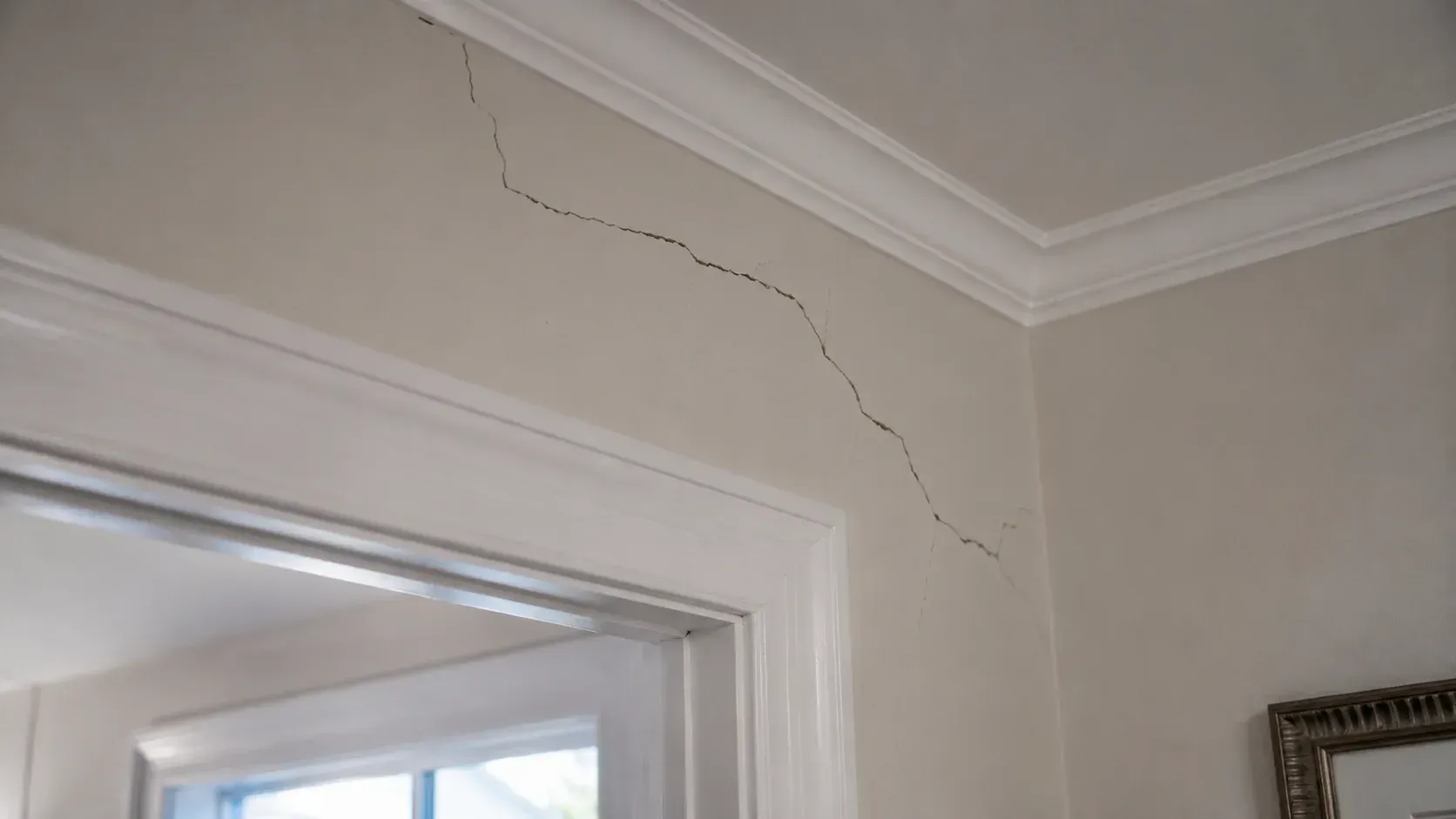
Most homes shift slightly over time. This movement can cause small cracks, especially near doors, windows, and ceilings.
Moisture and Humidity
High humidity levels can expand drywall materials, while dry conditions can cause shrinkage. This repeated cycle may lead to cracking.
Poor Installation
Improper taping or insufficient joint compound during installation can result in weak seams that crack over time.
Structural Movement
Larger or recurring cracks may indicate structural shifts. These require closer inspection before repair.
Types of Drywall Cracks You May Encounter
Understanding the type of crack helps guide the repair method.
Hairline Cracks
These are thin and shallow, often caused by paint or minor settling. They are the easiest to repair.
Joint Cracks
Found along seams where drywall panels meet, these cracks may require re-taping.
Corner Cracks
Appearing at wall corners or ceiling joints, often due to movement or poor reinforcement.
Stress Cracks
Wider cracks that may form around doors and windows due to structural pressure.
Tools and Materials Needed for Repair
Before starting, gather the necessary tools. Having everything ready ensures a smoother repair process.
- Utility knife
- Putty knife
- Joint compound
- Drywall tape (paper or mesh)
- Sandpaper or sanding block
- Primer and paint
- Clean cloth or brush
These materials are commonly available and suitable for most basic drywall repairs.
Step-by-Step Guide to Fixing a Drywall Crack
Step 1: Prepare the Surface
Use a utility knife to gently widen the crack slightly. This allows the joint compound to adhere more effectively. Remove any loose debris or dust.
Step 2: Apply Joint Compound
Using a putty knife, apply a thin layer of joint compound over the crack. Spread it evenly across the surface.
Step 3: Add Drywall Tape
Place drywall tape over the compound while it is still wet. Press it down firmly to remove air bubbles.
Step 4: Apply Additional Layers
Add another thin layer of joint compound over the tape. Allow it to dry completely before applying additional coats if needed.
Step 5: Sand the Area
Once dry, sand the surface until smooth and flush with the surrounding wall. Avoid over-sanding.
Step 6: Prime and Paint
Apply primer to seal the repaired area, then paint to match the rest of the wall.
This process is effective for most minor cracks and supports a clean, even finish.
Preventive care plays a key role in maintaining wall surfaces.
Control Indoor Humidity
Using dehumidifiers or proper ventilation helps reduce moisture-related expansion and contraction.
Address Small Cracks Early
Repairing cracks when they first appear helps prevent them from widening.
Monitor Structural Changes
Keep an eye on recurring cracks, especially around doors and windows.
Use Quality Materials
High-quality joint compound and tape can improve repair durability.
Tips to Prevent Drywall Cracks from Spreading
Preventive care plays a key role in maintaining wall surfaces.
Control Indoor Humidity
Using dehumidifiers or proper ventilation helps reduce moisture-related expansion and contraction.
Address Small Cracks Early
Repairing cracks when they first appear helps prevent them from widening.
Monitor Structural Changes
Keep an eye on recurring cracks, especially around doors and windows.
Use Quality Materials
High-quality joint compound and tape can improve repair durability.
When to Seek Professional Help
While many drywall repairs can be handled independently, certain situations may require professional evaluation.
Large or Repeated Cracks
Cracks that return after repair may indicate deeper issues.
Structural Concerns
If cracks are accompanied by uneven floors or sticking doors, further inspection may be needed.
Extensive Damage
Large areas of damaged wallboard may require replacement rather than simple repair.
In these cases, consulting experienced professionals helps ensure the issue is properly assessed.
Conclusion
Fixing drywall cracks early is a practical way to maintain the condition and appearance of interior walls. By understanding the causes, identifying the type of crack, and following a structured repair process, homeowners can address many common issues effectively.
A careful, informed approach supports better long-term results and helps prevent minor cracks from developing into more complex problems.
Book an Interior Painting Service
If you are unsure about the condition of your walls or want guidance on how to repair damaged wallboard, Fresh Start Painting Inc provides interior painting services in Pensacola, FL.
Our team can help assess drywall conditions, explain repair options, and support you in making informed decisions about your interior spaces. Contact us at (850) 346-8319 or email freshstartpainting@att.net for informed, practical advice tailored to your space.
Frequently Asked Questions
1. What is the best method for fixing a drywall crack?
The most common method involves cleaning the crack, applying joint compound, reinforcing it with tape, and sanding it smooth before painting.
2. Can I fix drywall cracks without professional tools?
Yes, basic tools like a putty knife, joint compound, and sandpaper are usually sufficient for small repairs.
3. How do I know if a crack is serious?
Cracks that are wide, growing, or recurring may indicate structural concerns and should be evaluated further.
4. How long does drywall repair take?
Minor repairs can take a few hours, but drying time between layers may extend the process over one or two days.
5. Does humidity affect drywall cracks?
Yes, changes in humidity can cause drywall to expand and contract, which may lead to cracking over time.
Related Posts