What Should Pensacola Homeowners Know Before Scheduling Exterior House Painting?
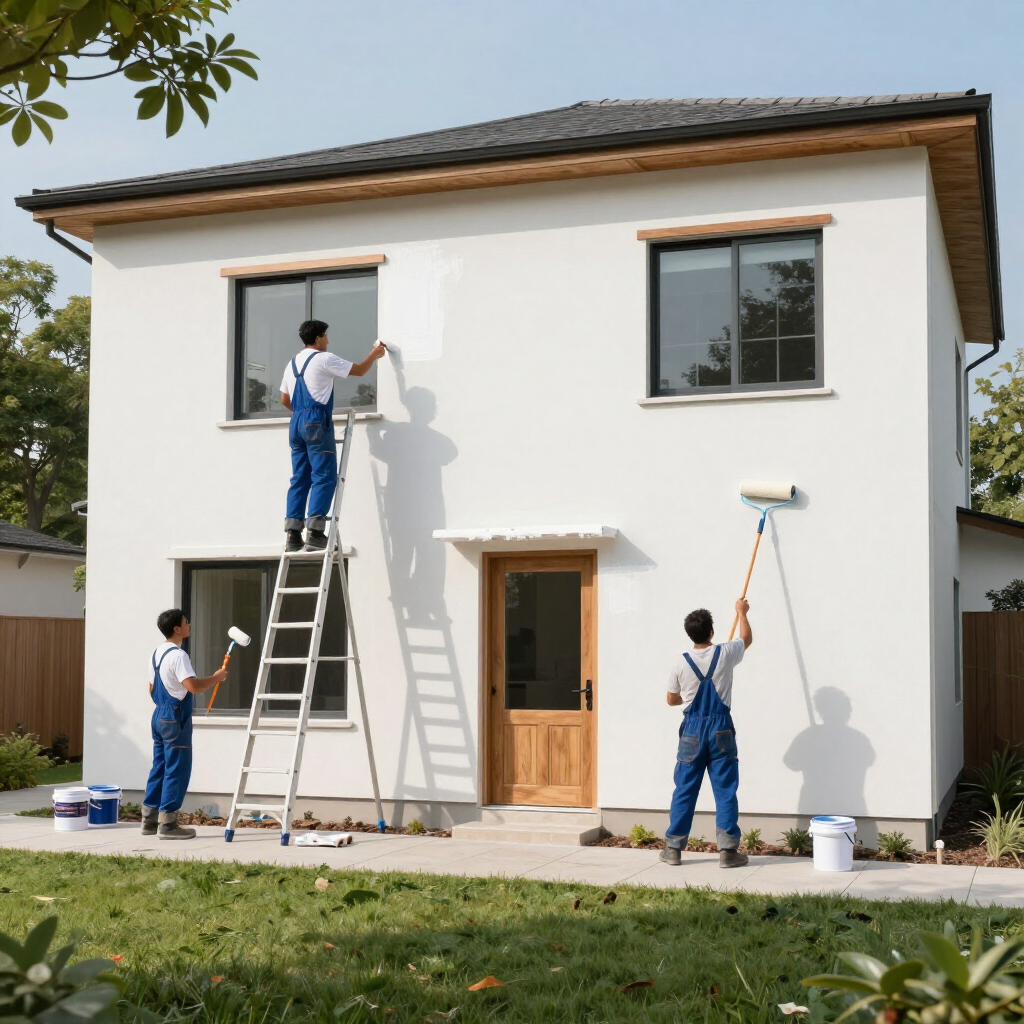
Table of Contents
- Introduction
- Why Exterior Painting Matters for Florida Homes
- Best Times of Year to Paint in Pensacola
- Understanding Your Home's Exterior Surface
- The Role of Surface Preparation
- Choosing the Right Paint for the Climate
- What a Professional Painting Process Looks Like
- How to Evaluate a Residential Painting Contractor
- Frequently Asked Questions
Key Takeaways
- Exterior painting in Florida requires careful timing to avoid rain and high humidity.
- Proper surface preparation has a major impact on how long the paint lasts.
- Material choice matters in coastal climates due to sun, salt air, and moisture.
- Different siding types need different preparation and paint systems.
- Working with an experienced residential painting contractor helps ensure consistent results.
Introduction
Before scheduling exterior house painting in Pensacola, FL, homeowners should plan around the local climate, evaluate their home's surfaces, choose paint suited to coastal conditions, and understand the preparation work involved. Exterior paint serves both an aesthetic and protective role, and the choices made before the first brushstroke affect how the finish performs over time.
Pensacola's mix of heat, humidity, sun exposure, and storms places real demands on exterior paint. A thoughtful approach to exterior house painting in Pensacola, FL helps protect siding, trim, and other surfaces from the elements. This guide covers the practical details homeowners should review before booking a project.
Why Exterior Painting Matters for Florida Homes
Exterior paint is one of the main defenses a home has against weather. In Florida, this includes UV exposure, heavy rain, salt-laden air near the coast, and seasonal storms.
A well-applied paint system can help with:
- Protecting siding and trim from moisture
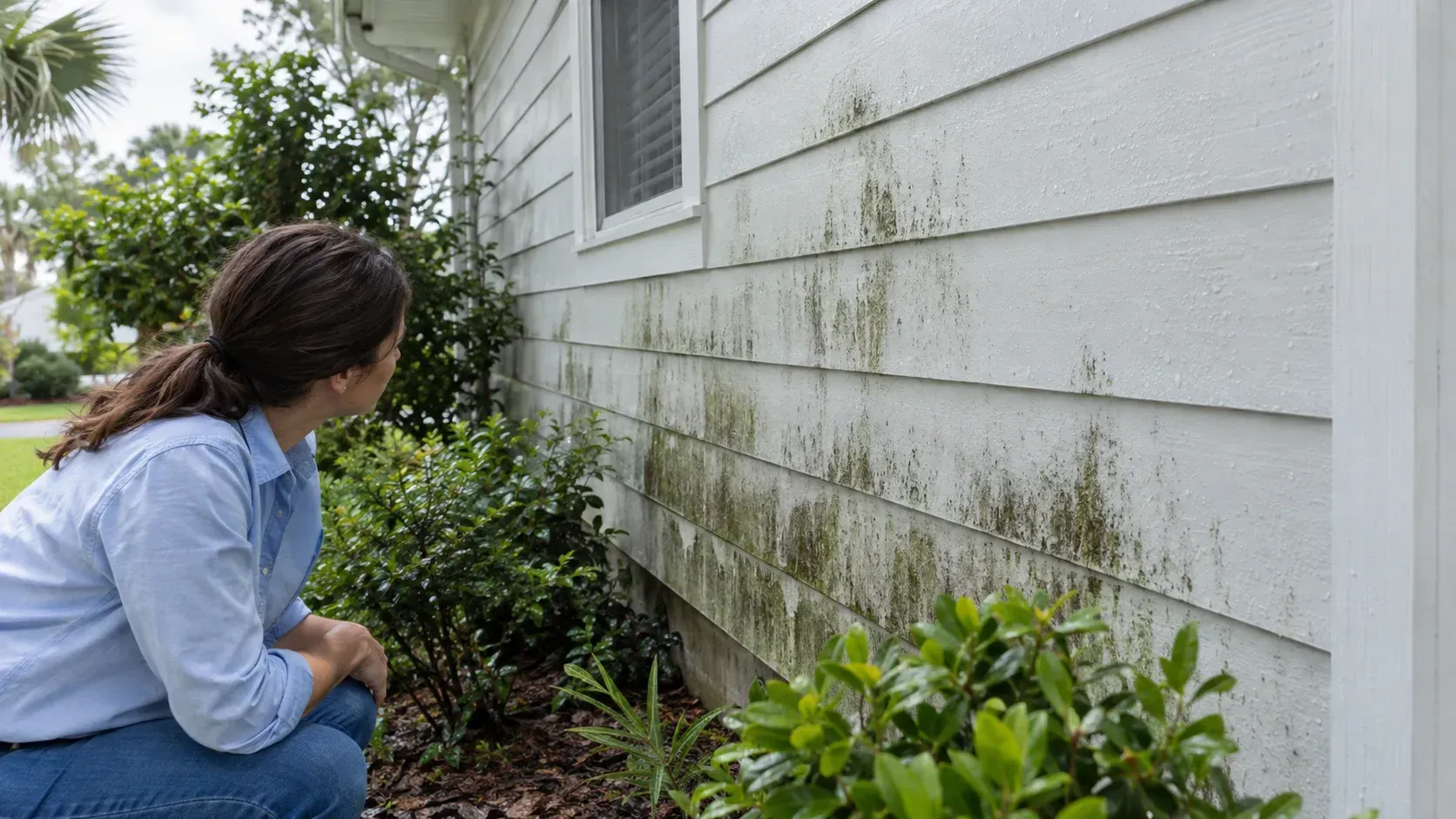
- Reducing wood rot and mildew
- Maintaining curb appeal
- Slowing fading on sun-exposed walls
- Sealing small cracks before they grow
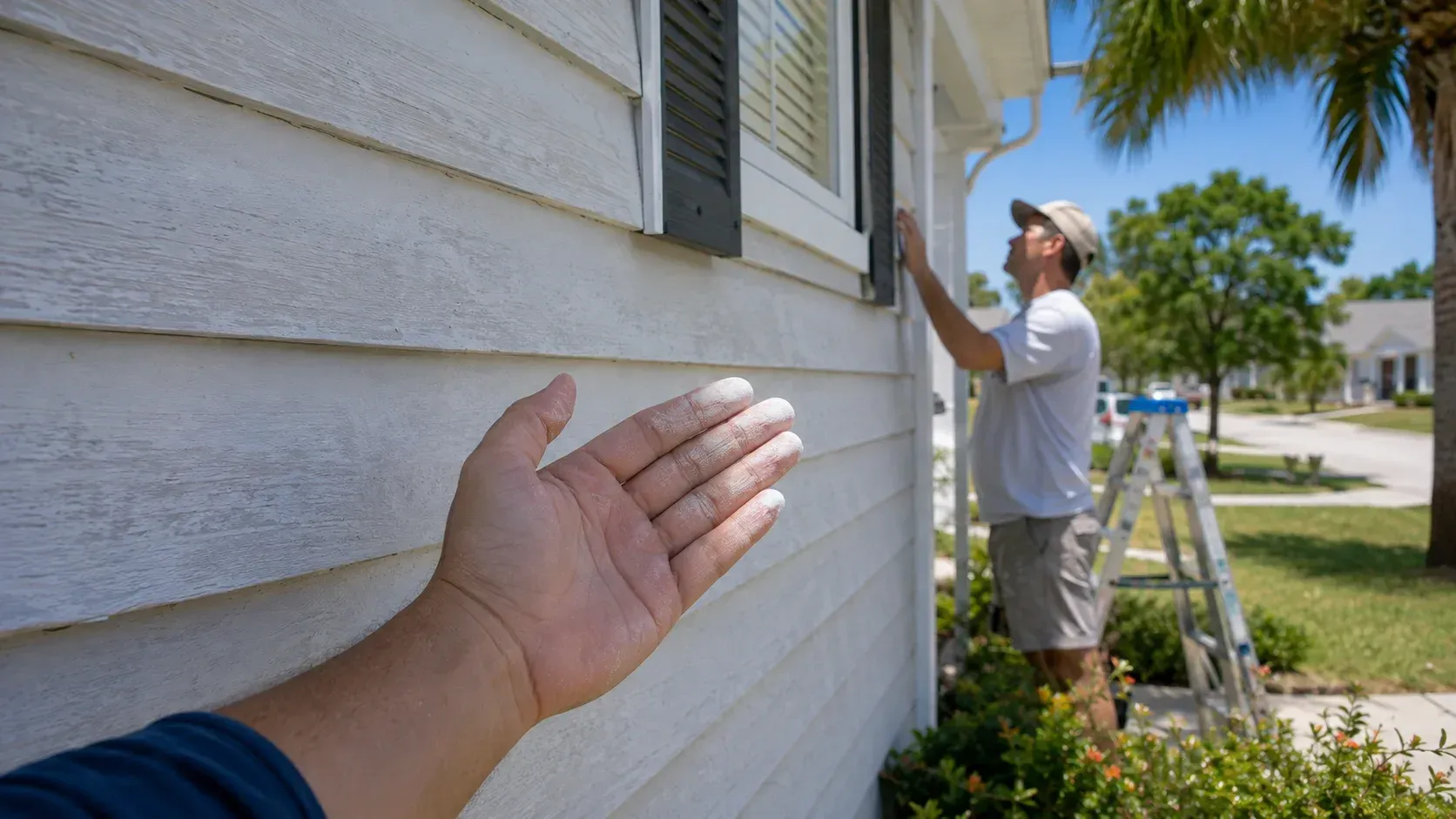
When paint begins to fade, chalk, peel, or crack, the surface beneath it becomes more exposed. Addressing these issues at the right time helps avoid larger repairs later.
Best Times of Year to Paint in Pensacola
Timing matters for exterior painting. Paint needs to cure under stable conditions, and Pensacola weather can vary widely by season.
Generally, milder months with lower humidity and reduced rain chances tend to be better for exterior work. Late fall and early spring are often used for larger projects, although every year is different.
Important weather factors include:
- Temperature within the paint manufacturer's range
- Low chance of rain for 24 to 48 hours after application
- Humidity levels that allow proper curing
- Mild wind so spray and brush work stay clean
A residential painting contractor will usually monitor forecasts and adjust the schedule when conditions change.
Understanding Your Home's Exterior Surface
Different exteriors require different approaches. Common surfaces in Pensacola homes include:
Wood Siding and Trim
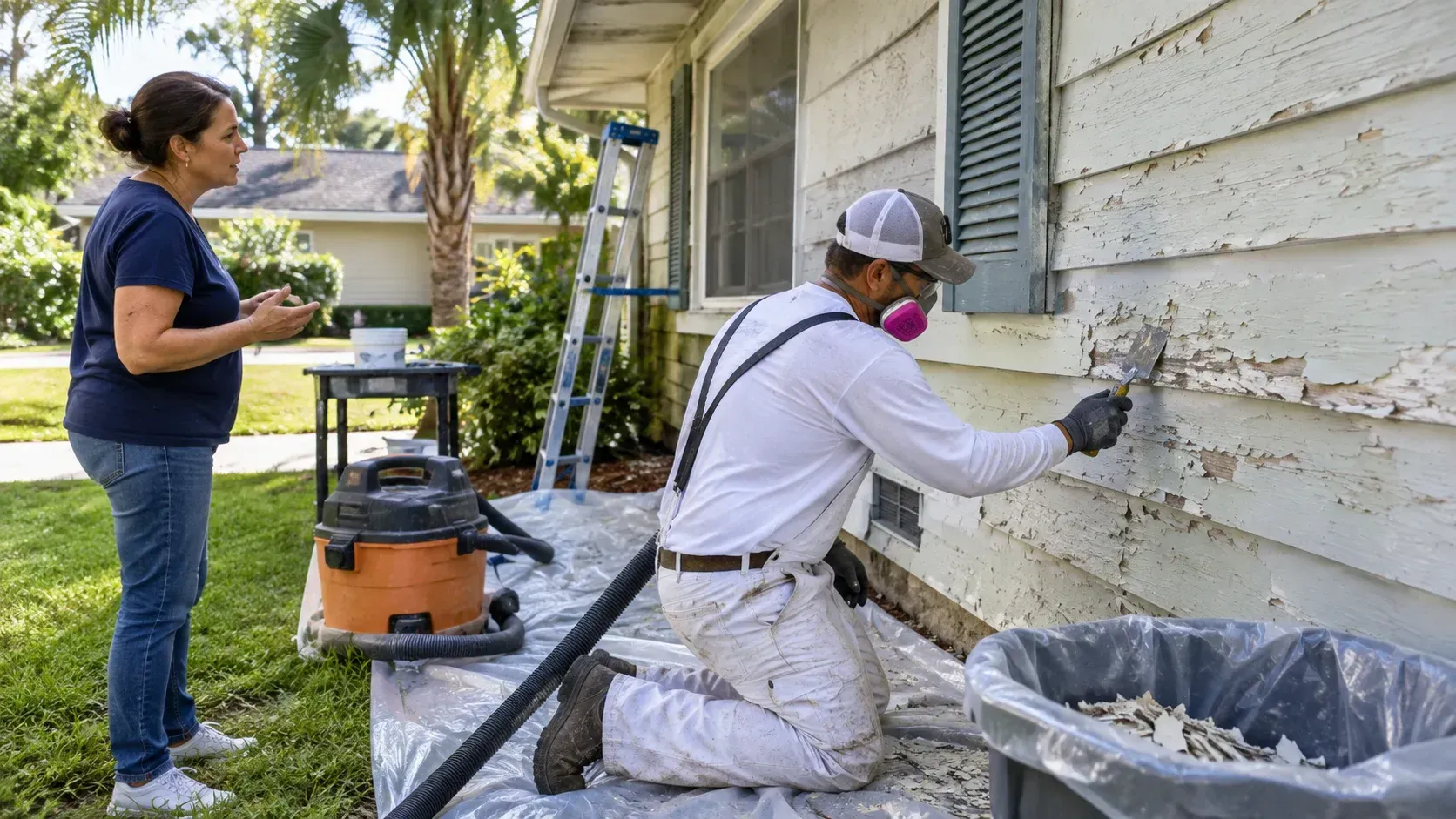
Wood needs careful inspection for rot, soft spots, and previous paint failure. Loose paint must be removed and any damaged wood replaced before painting.
Stucco
Stucco surfaces need cracks repaired and dirt or mildew removed. Elastomeric or masonry-rated paints are often used for these surfaces.
Fiber Cement Siding
These boards are durable but still need cleaning, caulking at joints, and primer in some cases.
Vinyl Siding
Vinyl can be painted but requires specific products that work with its expansion and contraction characteristics.
Identifying the surface type and its current condition is the starting point for any exterior project.
The Role of Surface Preparation
Surface preparation often takes more time than the painting itself, and it has the biggest effect on how long the finish lasts. Exterior painting preparation usually includes:
- Pressure washing to remove dirt, pollen, and mildew
- Scraping or sanding loose paint
- Repairing rotten wood or damaged sections
- Caulking gaps and seams
- Priming bare or stained areas
- Covering plants, fixtures, and windows
Skipping or rushing prep work tends to lead to early paint failure. Properly prepared surfaces help the paint bond evenly and resist peeling.
Choosing the Right Paint for the Climate
Pensacola homes deal with strong sun, humid air, and occasional severe weather. Paint products vary in how well they hold up under these conditions.
Key paint qualities to look for include:
- UV resistance to slow fading
- Mildew resistance for humid conditions
- Flexibility to handle temperature swings
- Good adhesion for the specific surface
- Sufficient coverage and hide
Acrylic latex paints are commonly used for residential exteriors in Florida. For specific surfaces such as stucco or metal, specialty products may be more suitable. A painting contractor can match the product to the surface and the climate.
What a Professional Painting Process Looks Like
A typical exterior project includes the following stages:
- On-site walkthrough and written estimate
- Color selection and product approval
- Pressure washing and drying time
- Scraping, sanding, and repairs
- Caulking and priming
- Application of finish coats
- Touch-ups and final walkthrough
Clear communication during each stage helps homeowners understand what is happening on their property and why. A written scope of work makes expectations easier to track.
How to Evaluate a Residential Painting Contractor
Choosing the right professional is a major part of any project. Useful questions to ask include:
- Are you licensed and insured to work in Florida?
- What kind of preparation is included in the estimate?
- Which paint products do you recommend and why?
- How do you handle weather delays?
- What is the projected timeline from start to finish?
Detailed written estimates make it easier to compare options. A residential painting contractor with clear documentation, references, and steady communication is usually a safer choice than one offering only verbal terms.
Conclusion
Scheduling exterior house painting in Pensacola, FL is more than picking a color. Surface condition, preparation, paint choice, timing, and contractor selection all influence how the finished project performs over the years.
Book an Exterior Painting Consultation
If you are considering exterior house painting in Pensacola, FL or the surrounding area, a consultation can help you review your home's surfaces and plan your project. A qualified contractor can walk through the property, explain preparation steps, and provide a written estimate. Contact us at (850) 346-8319 or email freshstartpainting@att.net for informed, practical advice tailored to your space.
Frequently Asked Questions
How long does exterior house painting in Pensacola FL usually last?
We see most quality exterior paint jobs last around 7 to 10 years in this region, depending on surface type, sun exposure, paint product, and how thoroughly the surfaces were prepared.
How important is exterior painting preparation compared to the painting itself?
Very important. Preparation often determines how long a finish lasts. Washing, scraping, caulking, and priming create the base that lets paint adhere and perform as designed.
Can our home be painted during Pensacola summers?
It can, but summer humidity and afternoon storms can complicate scheduling. Many residential painting contractors plan around dry windows and follow paint manufacturer temperature guidelines.
Should we paint or pressure wash our home first?
Pressure washing comes before painting. Clean surfaces allow paint to bond properly. Depending on conditions, the surface needs time to fully dry before paint is applied.
Do we need to be home while the painting is done?
Not always. Exterior work usually does not require interior access, although homeowners should plan to be reachable in case the contractor has questions about color, areas to skip, or fixtures.
Related Posts